

Understanding Heat and Health: A Young Doctor's Journey
As one of the newest members to join the HE²AT Center, I’ve been discovering a great deal about extreme heat’s effects on health — and about myself.
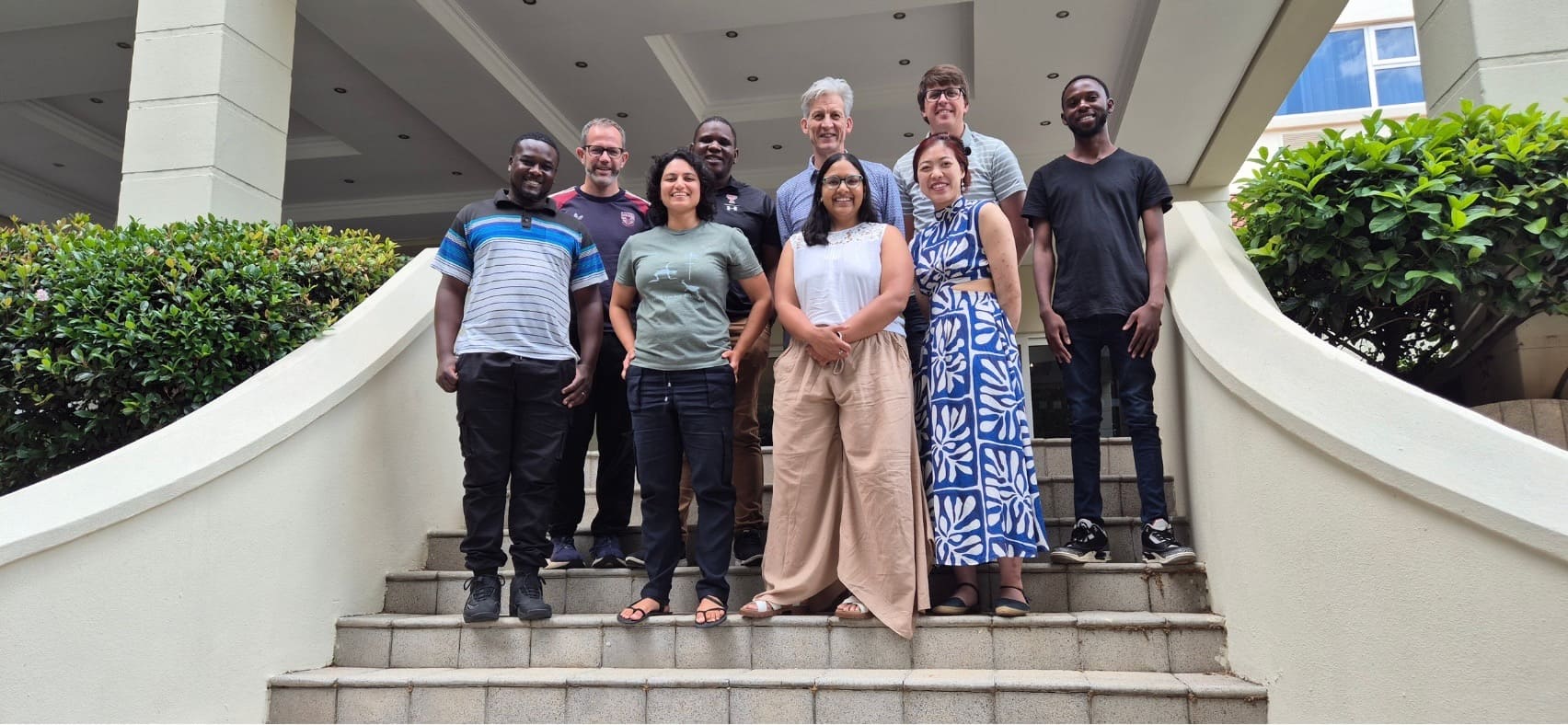
Behind every dataset and published paper were real people — researchers in the field and everyday moments that rarely make it into a journal article.
Read the full post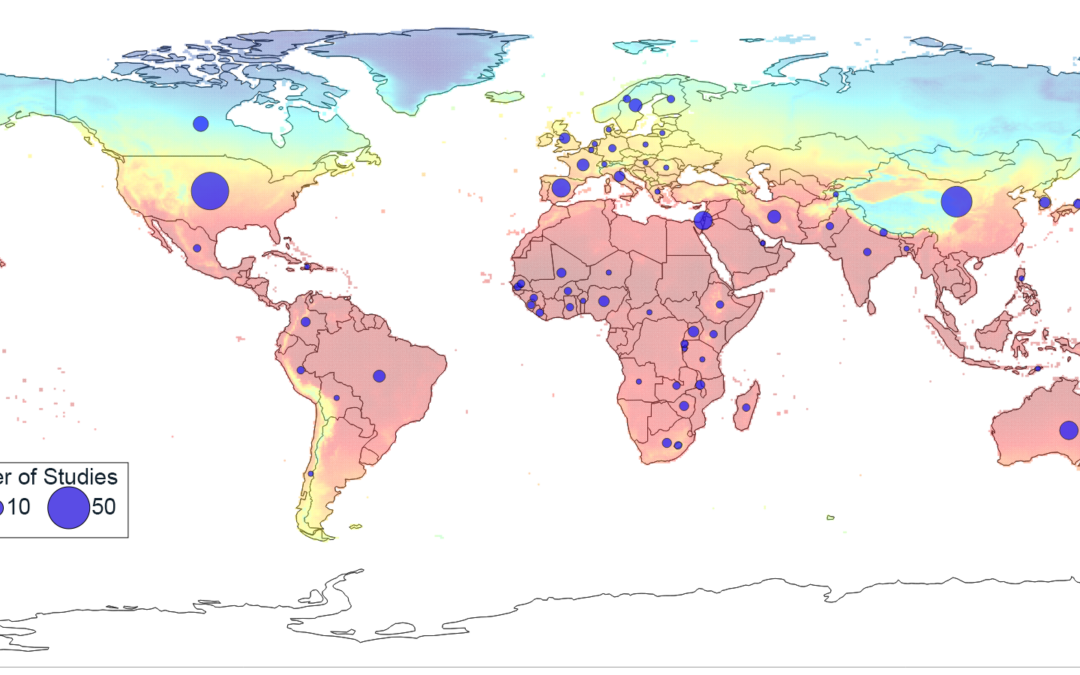
Pregnancy places significant strain on the body but rising global temperatures are adding new and serious risks.
Read the full story
A roundup of the HE²AT Center’s latest published research, including studies on PM2.5 exposure, urban heat risk, and CHEAQI-MNCH.
Read the full roundup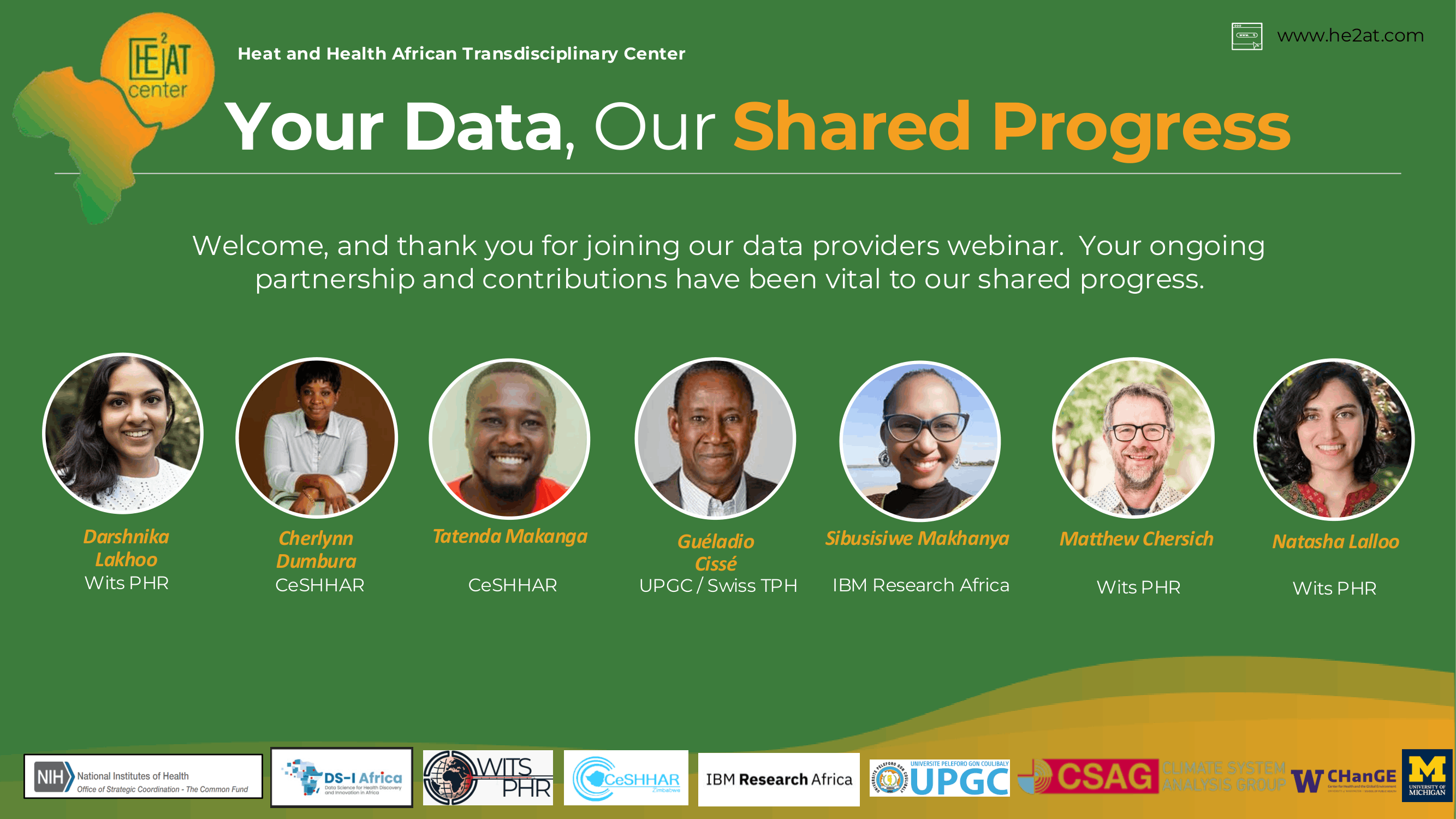
Updates on how contributed datasets are acquired, harmonised, securely managed, and translated into climate-health research.
Watch the videoAs one of the newest members to join the HE²AT Center, I’ve been discovering a great deal about extreme heat’s effects on health — and about myself.
Behind every dataset and published paper were real people — researchers in the field and everyday moments that rarely make it into a journal article.

Heat data sounds straightforward, but working with it reveals how complicated and messy it can be – and how much accuracy matters.
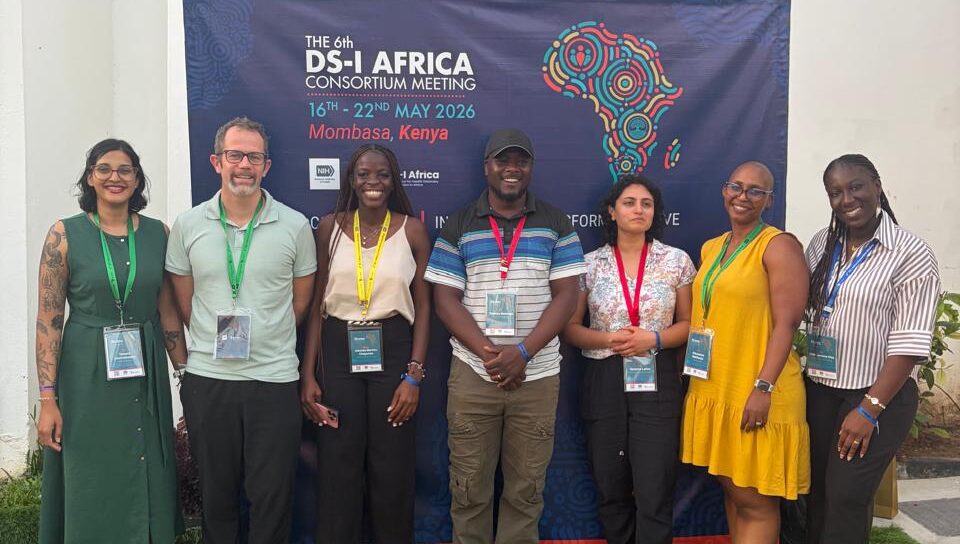
The HE²AT Center took part in the final DS-I Africa Consortium Meeting with presentations, a datathon-winning team, and posters.

We are now living in a world that is, on average, nearly 1.5°C warmer than the pre-industrial period.
Pregnancy places significant strain on the body but rising global temperatures are adding new and serious risks for expectant mothers.
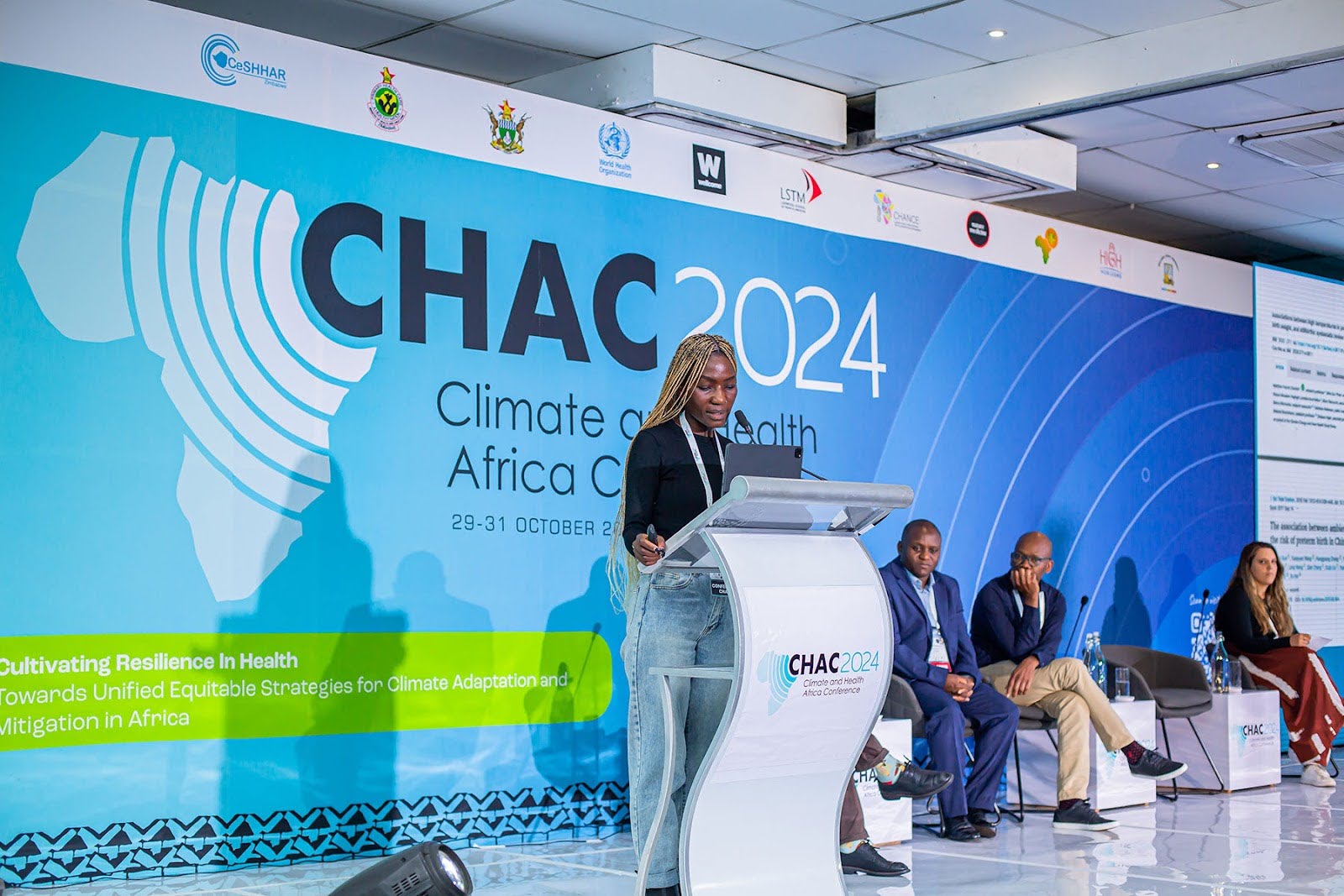
Alice McClure discusses HE²AT’s contributions at CHAC, including the Harare Declaration on Climate and Health.
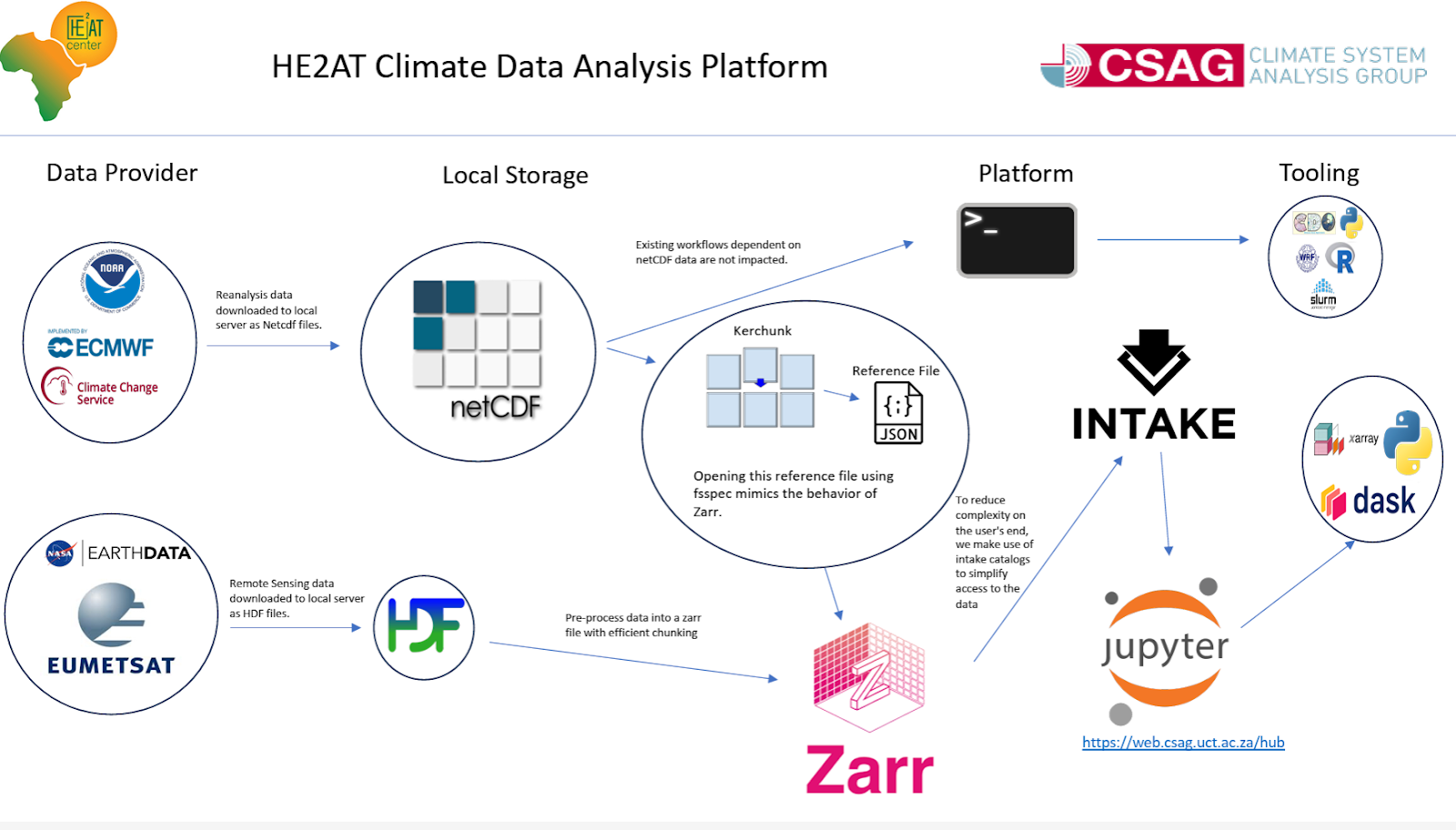
Peter Marsh on the cloud system that lets researchers without a climate-science background explore and use climate data.
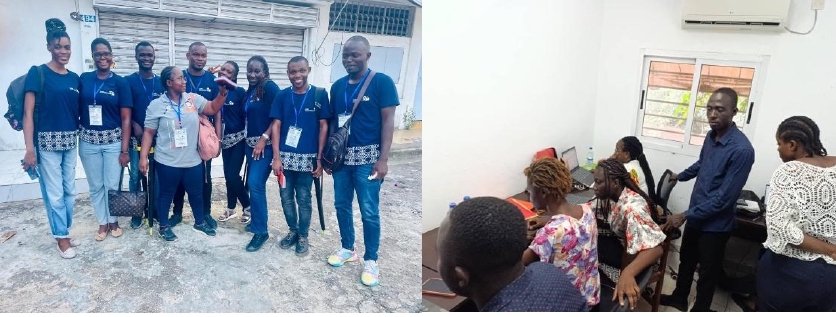
How climate data, social media analysis and household surveys are shaping heat-alert thresholds for Abidjan.
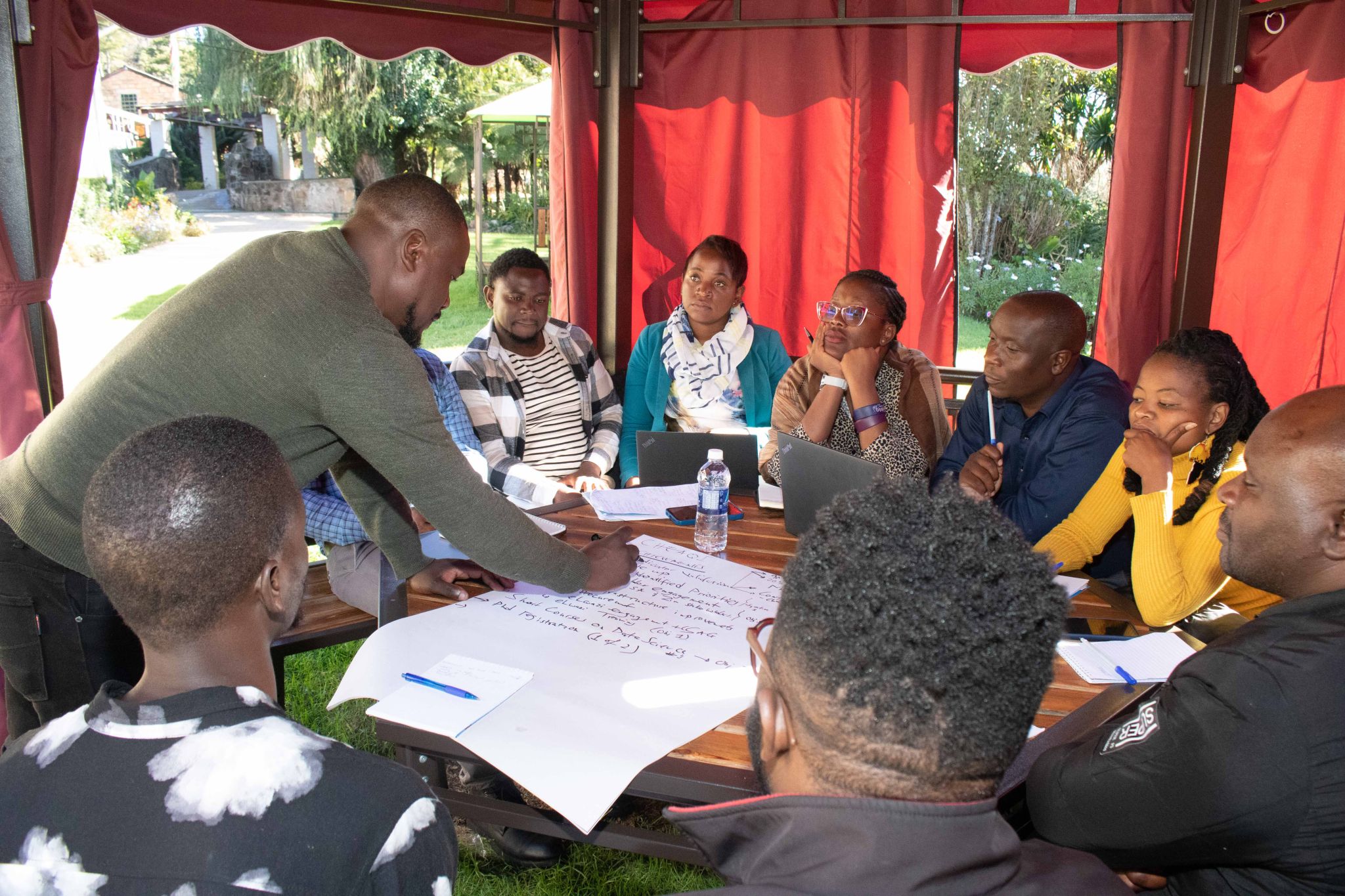
Liberty Makacha on the ETIQUET project, producing high-quality exposure surfaces to underpin future health impact assessments.
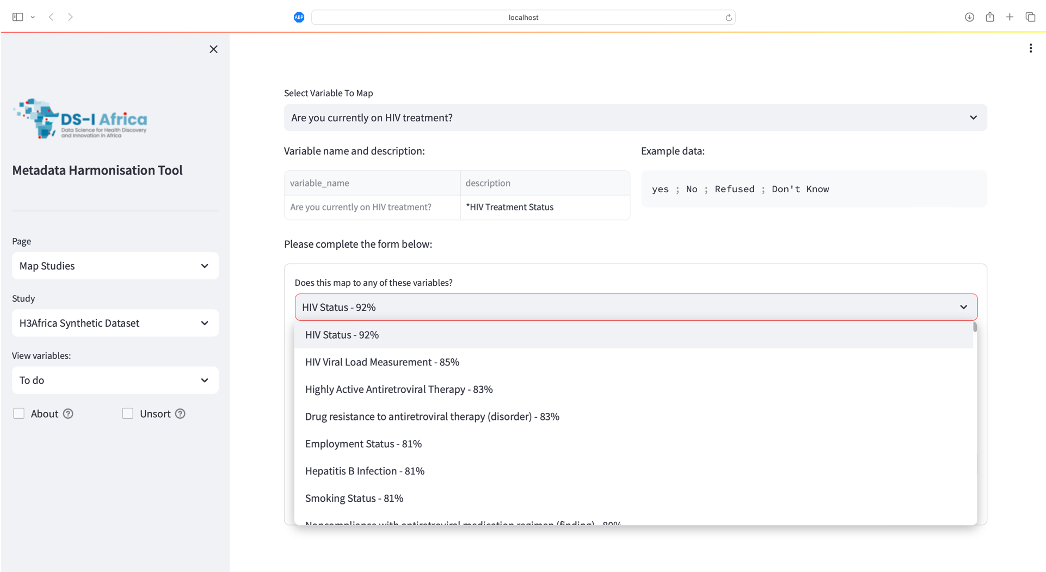
Peter Marsh on the AI-assisted tool built to speed up and scale the harmonisation of clinical data across African studies.

Etienne Vos was interviewed by IBM for an article highlighting AI-powered tools to combat extreme heat.
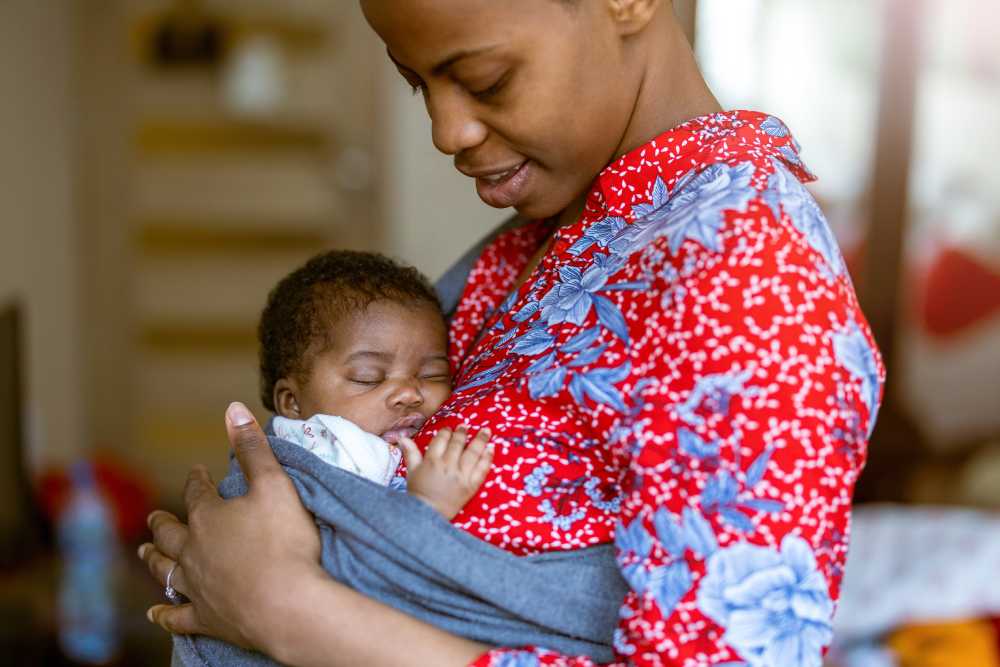
How Research Project 1 is tracking the link between heat exposure and health conditions in mothers and children.
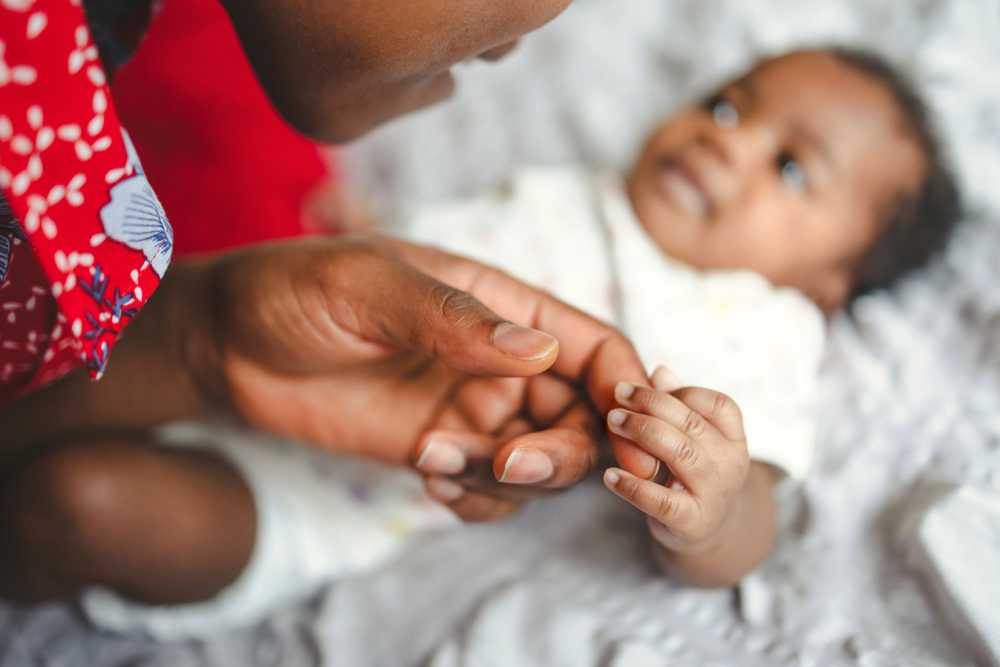
Why heat exposure during pregnancy can have effects that last well beyond birth.
As one of the newest members to join the HE²AT Center, I’ve been discovering a great deal about extreme heat’s effects on health — and about myself.
Heat data sounds straightforward, but working with it reveals how complicated and messy it can be – and how much accuracy matters.
Pregnancy places significant strain on the body but rising global temperatures are adding new and serious risks for expectant mothers.
Alice McClure discusses HE²AT’s contributions at CHAC, including the Harare Declaration on Climate and Health.
Peter Marsh on the cloud system that lets researchers without a climate-science background explore and use climate data.
How climate data, social media analysis and household surveys are shaping heat-alert thresholds for Abidjan.
Liberty Makacha on the ETIQUET project, producing high-quality exposure surfaces to underpin future health impact assessments.
Peter Marsh on the AI-assisted tool built to speed up and scale the harmonisation of clinical data across African studies.
How Research Project 1 is tracking the link between heat exposure and health conditions in mothers and children.
Why heat exposure during pregnancy can have effects that last well beyond birth.
A roundup of the HE²AT Center’s latest published research, including studies on PM2.5 exposure, urban heat risk, and CHEAQI-MNCH.
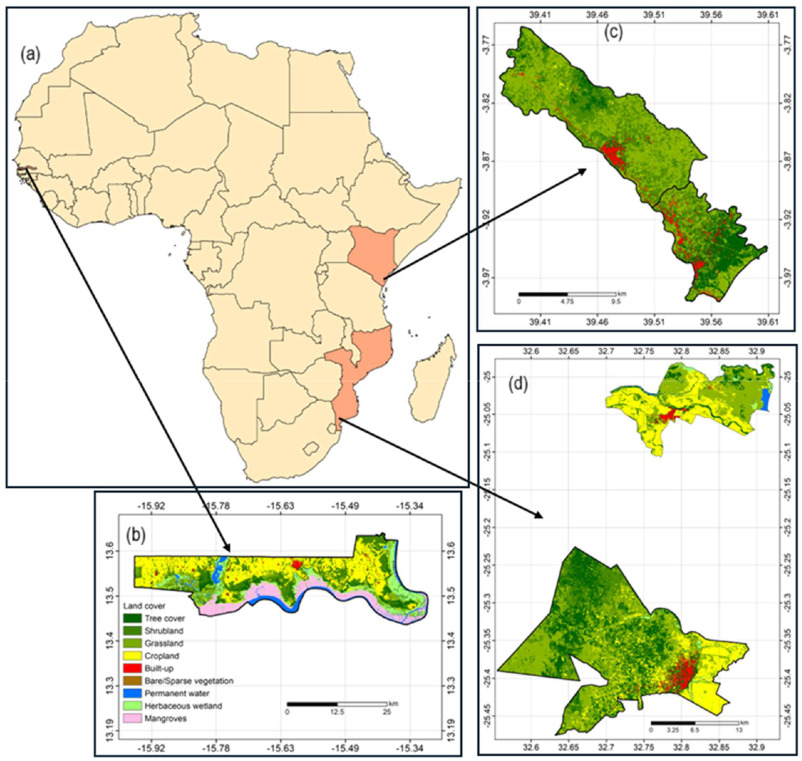
Most land cover types across the three countries exceeded World Health Organization air quality guideline thresholds for PM2.5.
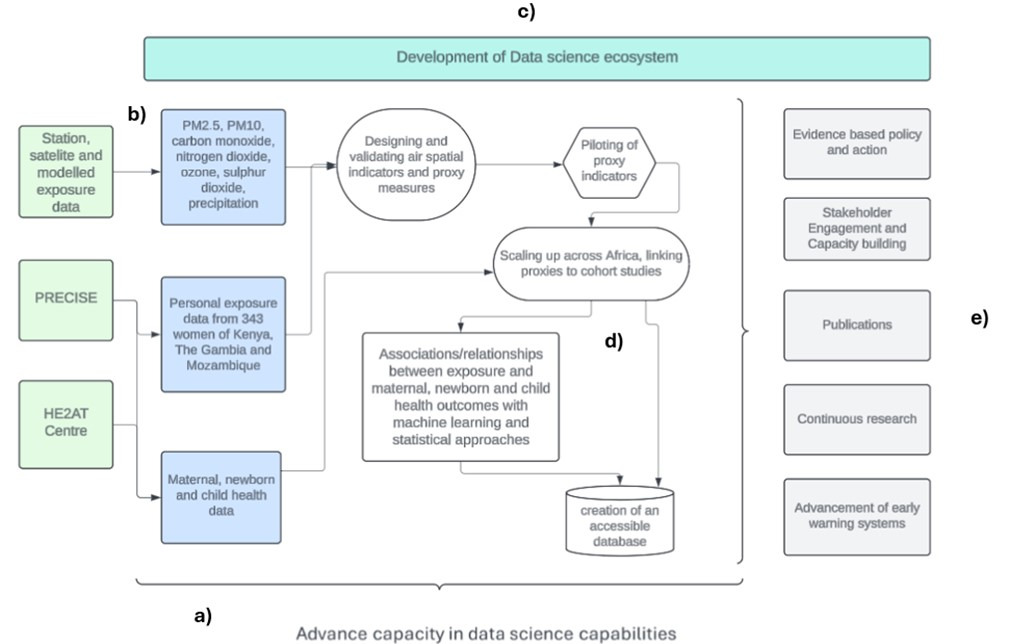
A research protocol to develop and validate air-pollution proxy indicators for maternal, newborn and child health outcomes.
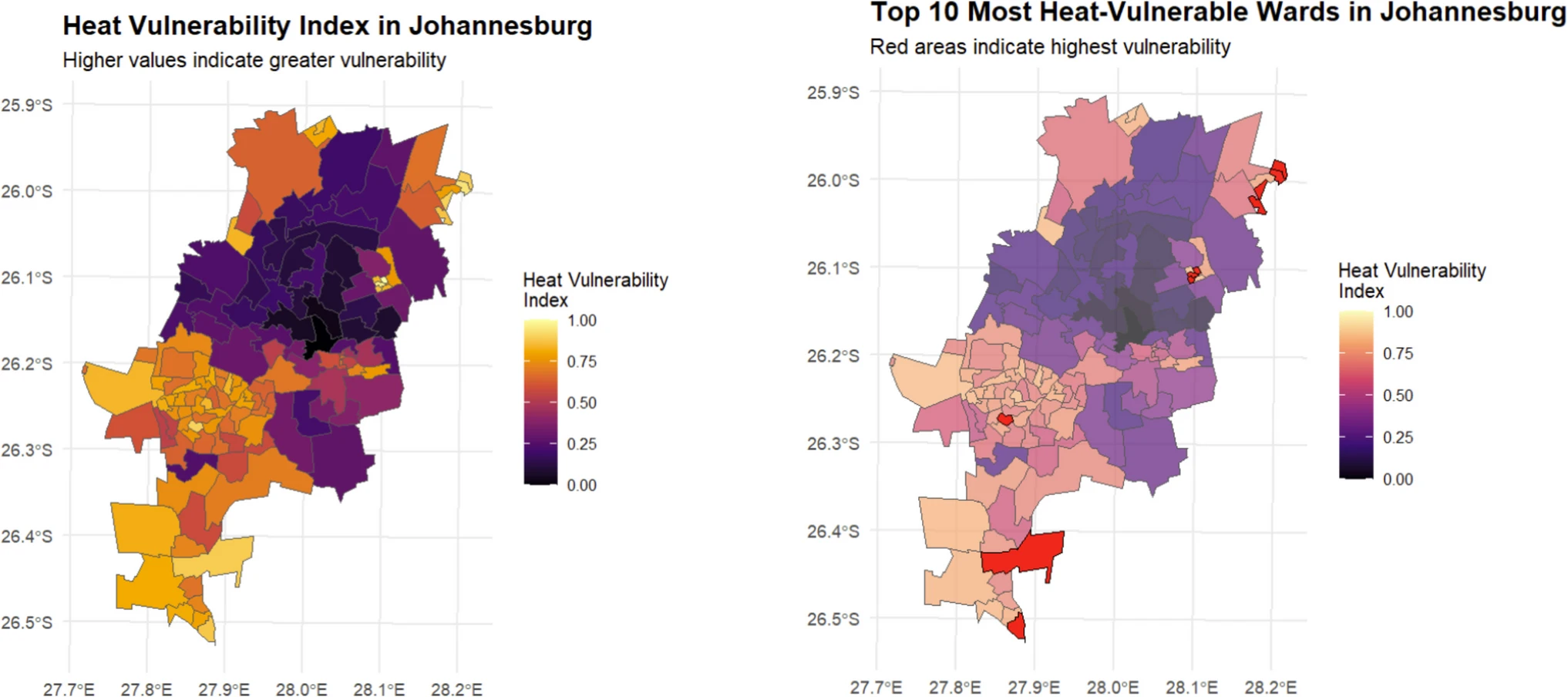
Heat vulnerability quantified across 135 wards in Johannesburg by integrating environmental data with socio-economic and health metrics.
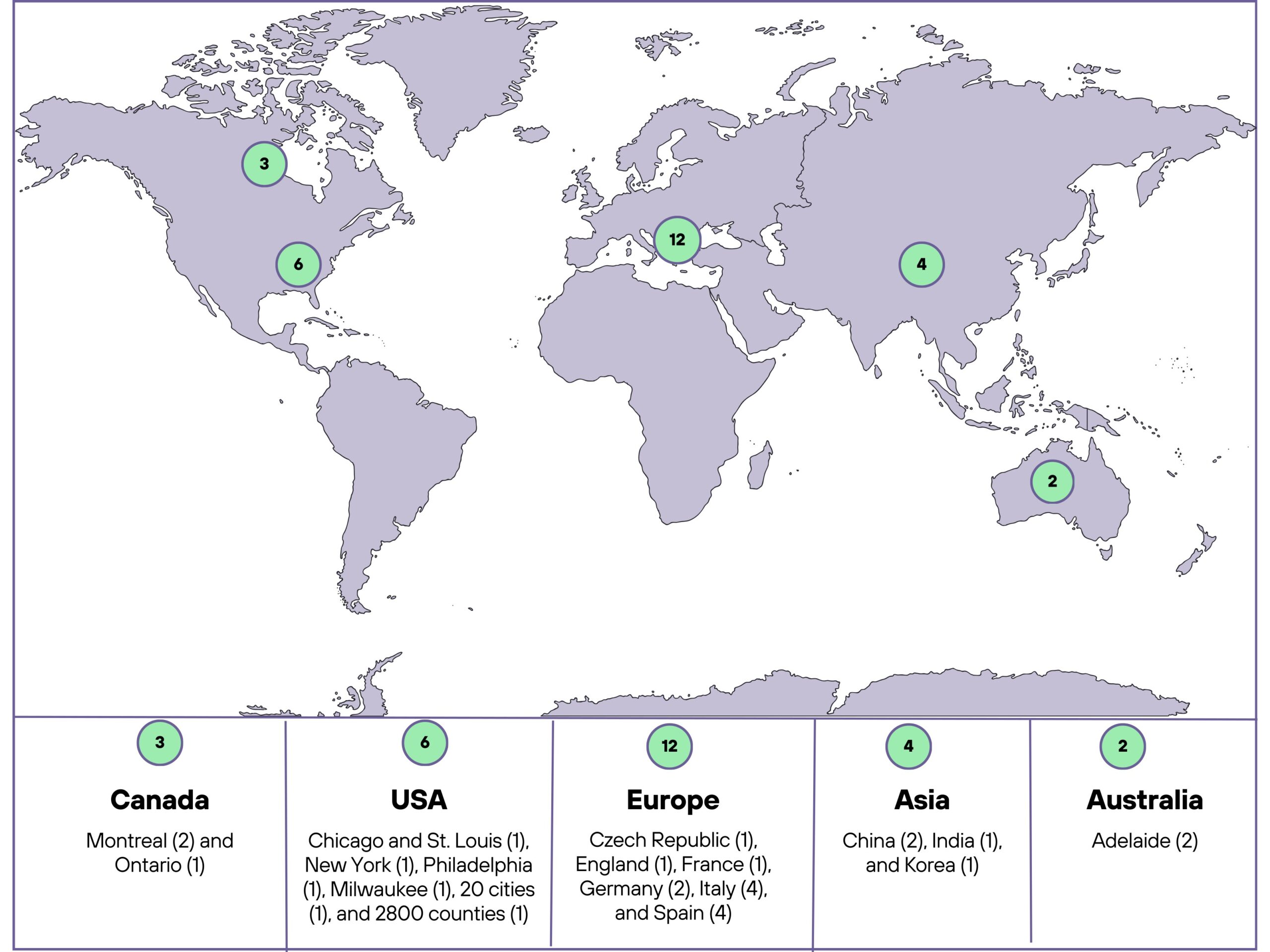
A review of the socioeconomic benefits of heat-health warning systems, highlighting major evidence gaps for Africa.
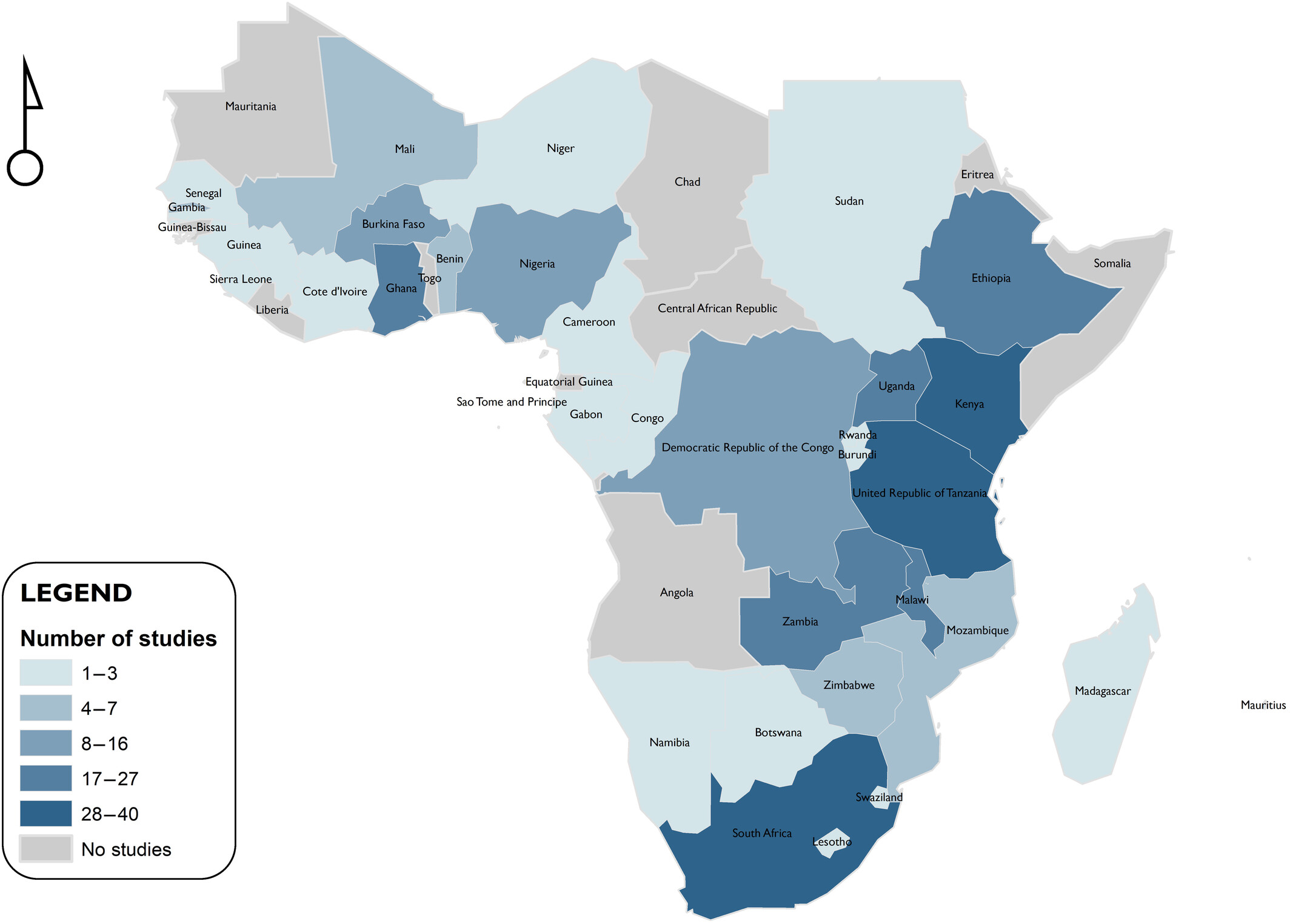
A systematic mapping of longitudinal maternal health studies in sub-Saharan Africa, highlighting where evidence gaps remain.
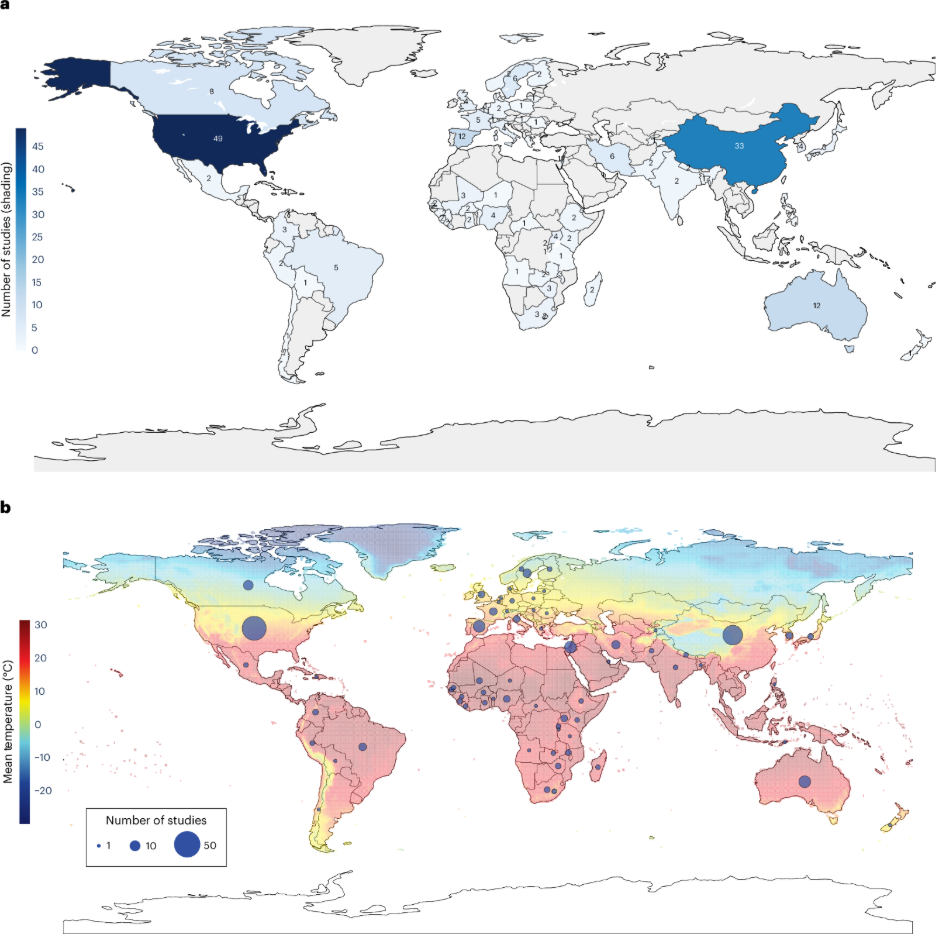
Published in Nature Medicine, this review brings together global evidence on heat exposure during pregnancy and around birth.
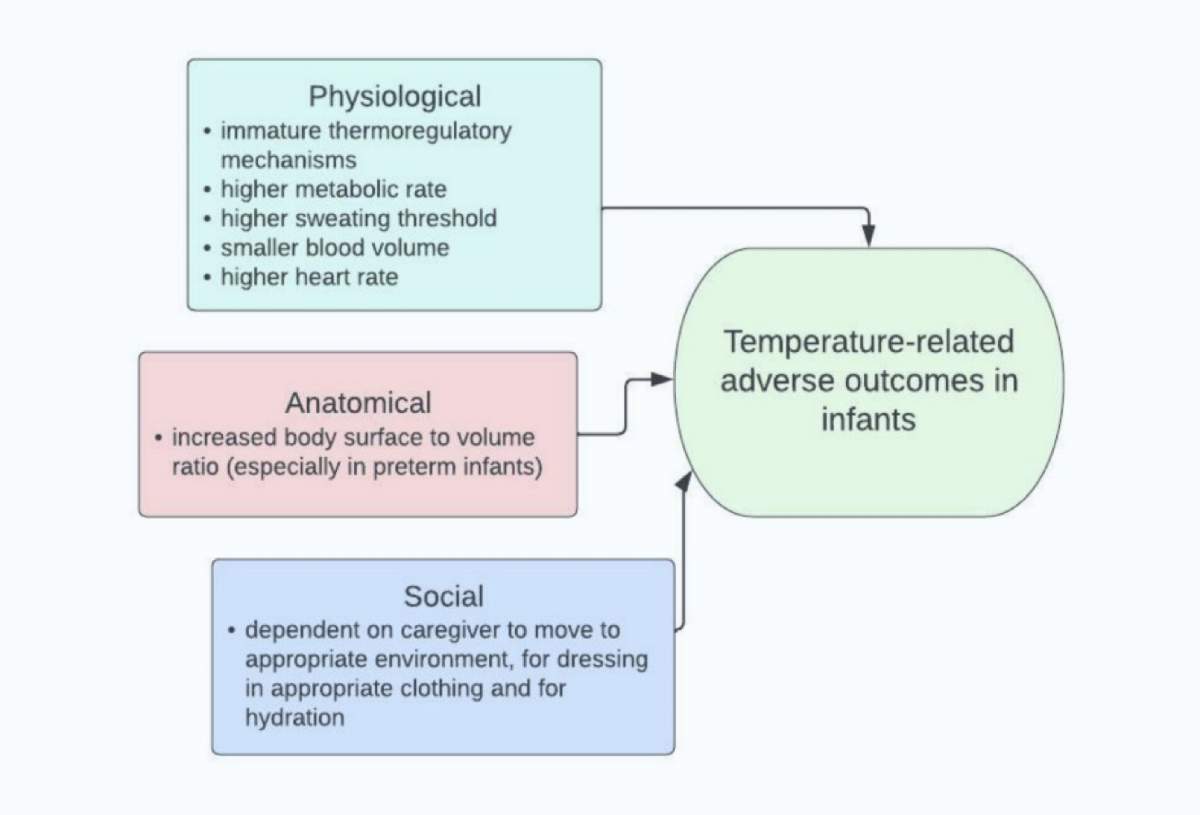
A systematic review of the association between short-term temperature exposure and adverse infant outcomes.
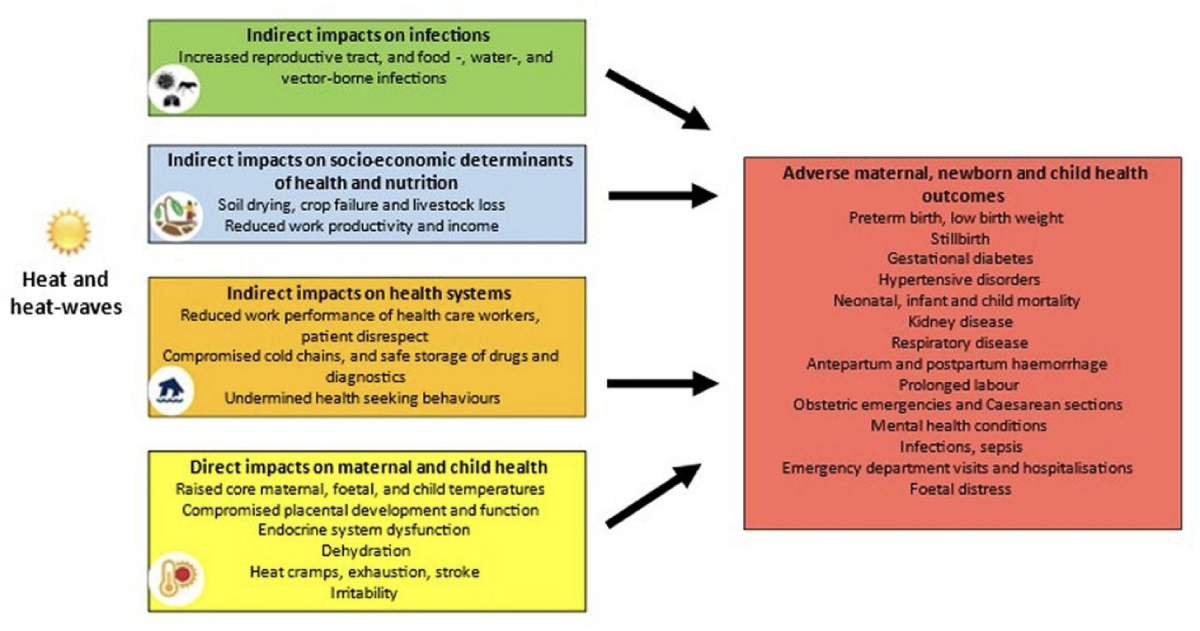
Drawing on multiple longitudinal trials and cohort studies to investigate heat exposure and adverse outcomes in pregnancy and early childhood.
A study protocol examining heat-related health impacts in Abidjan and Johannesburg, cities facing rapid urban growth and strained health services.
A review of 29 studies finding prenatal heat exposure linked to lower earnings, reduced education, and worsened long-term health outcomes.
Updates on how contributed datasets are acquired, harmonised, securely managed, and translated into climate-health research.
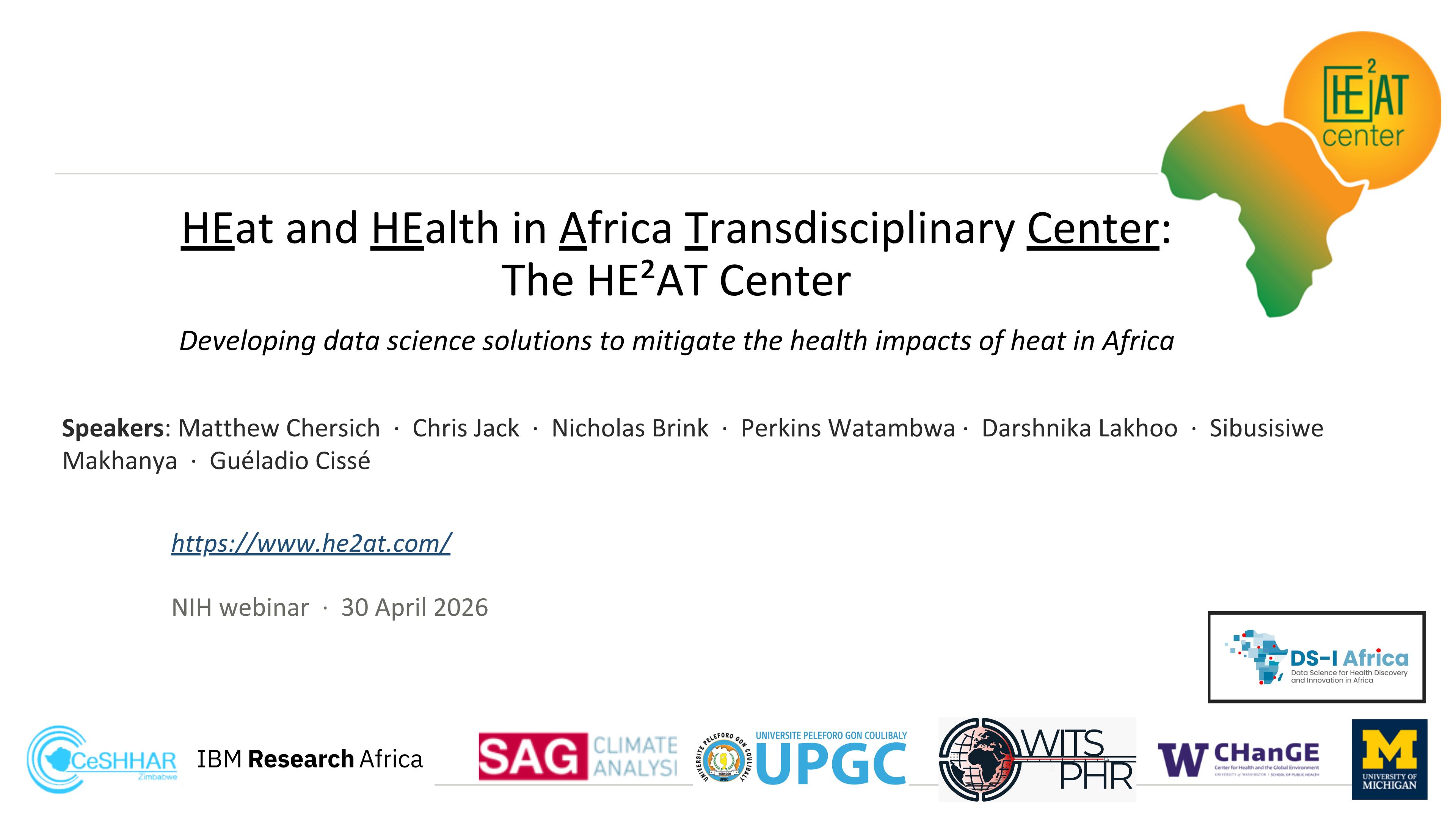
Panelists discuss AI-based approaches to linking health and weather data, and opportunities to strengthen heat resilience.
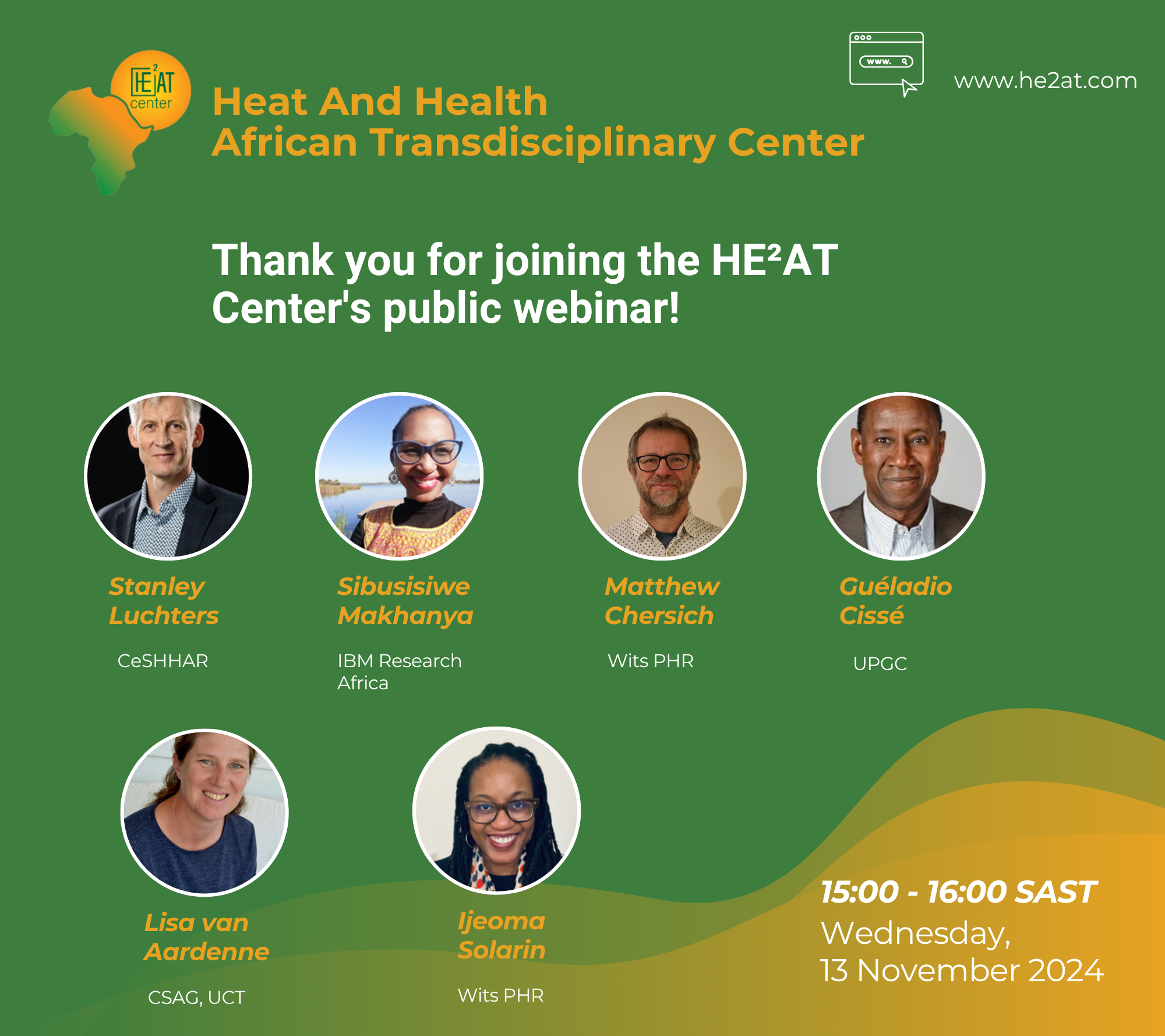
Our expert panel shared the latest achievements and discussed future directions in African climate-health research.
A look at the Climate & Health Africa Conference, hosted by CeSHHAR Zimbabwe with Zimbabwe’s Ministries of Environment and Health.
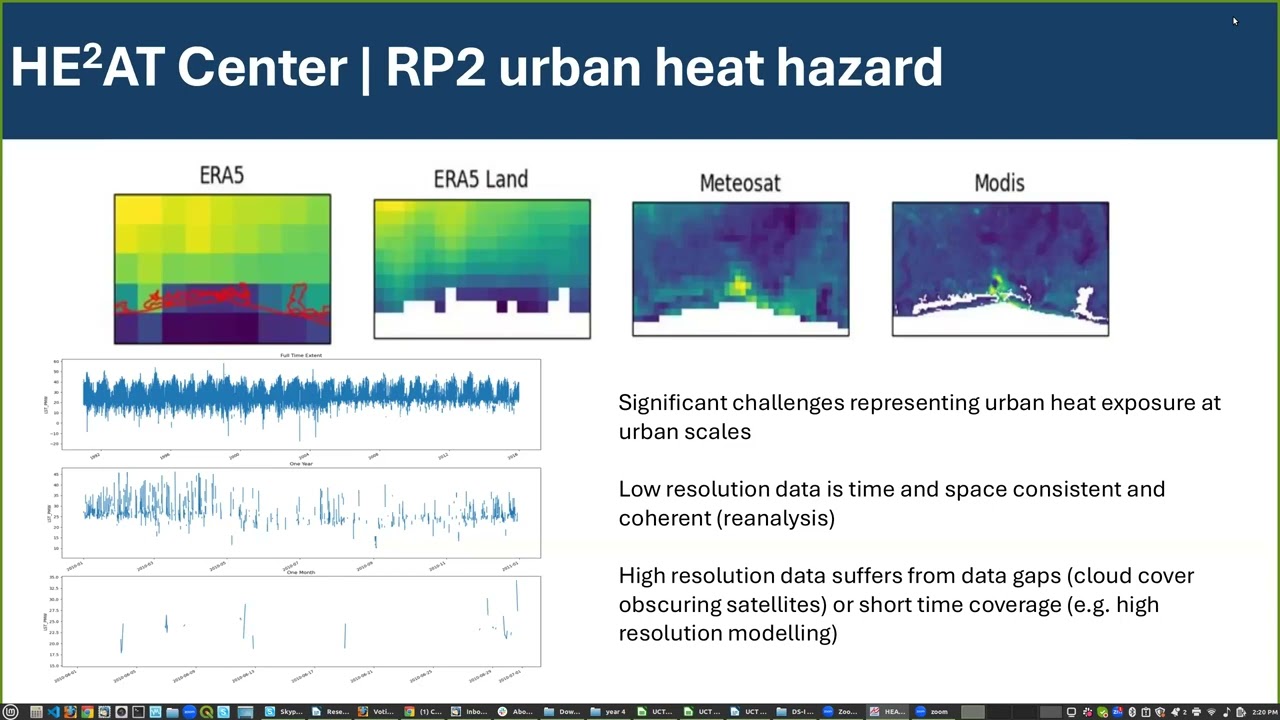
Round 1 of the DS-I Africa 5th Virtual Networking Exchange, connecting data science and health organisations across Africa.
The plenary session of the DS-I Africa 5th Virtual Networking Exchange.
Research was supported by the Fogarty International Center, National Institute of Environmental Health Sciences (NIEHS), and OD/Office of Strategic Coordination (OSC) of the National Institutes of Health under Award Number U54TW012083. Additional support was provided by the HarmonAIze supplement (3U54TW012083-04S1) and the CHEAQI-MNCH project (U01ES036146). The content is solely the responsibility of the authors and does not necessarily represent the official views of the National Institutes of Health.