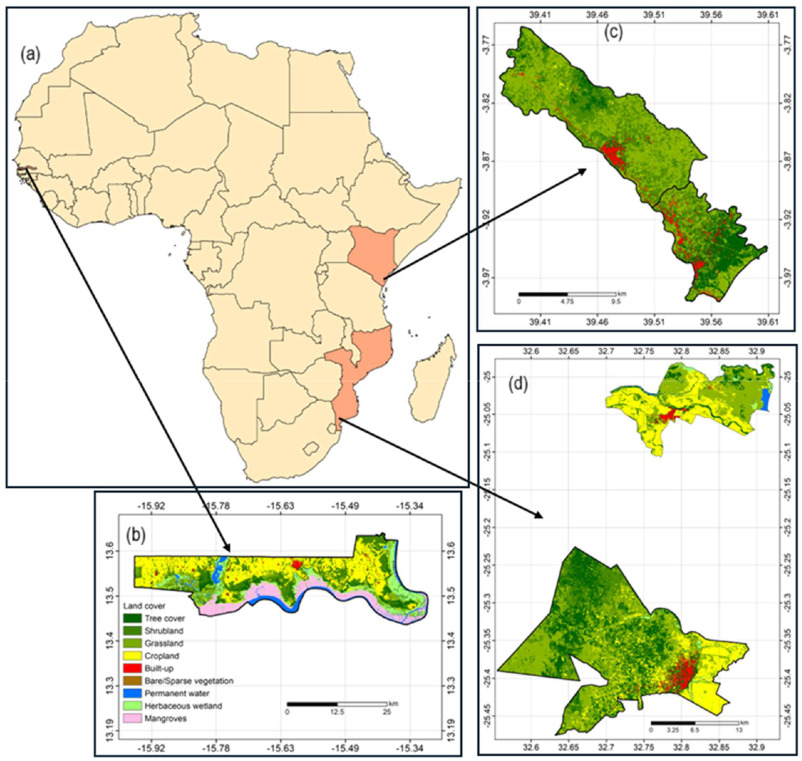
Motivated by the lack of reliable and context-aware environmental exposure data in Africa, Liberty Makacha began focusing his research at the intersection of spatial sciences, machine learning, and public health. With HE²AT support, he led the ETIQUET project to produce high-quality exposure surfaces that can underpin future health impact assessments. Using pregnancy cohort data from the PRECISE study, this work has laid the groundwork for stronger, locally informed climate-health research.
A Continent-Wide Data Gap
Africa lacks sufficient high-resolution, context-specific data on environmental exposures. Most existing models for air pollution and temperature are designed for global or non-African contexts, limiting their relevance for public health decision-making across the continent. The local monitoring infrastructure is limited, and few efforts have focused on adapting spatial or machine learning methods to accurately reflect African geographies and realities.
This makes it difficult for African leaders and decision-makers at the city level to assess and respond to climate and air quality risks, particularly for vulnerable groups such as pregnant women. The Extrapolating Temperature and Air Quality Exposure in Space and Time (ETIQUET) project was launched to help fill this gap and generate actionable exposure data that could inform equitable health research and policy.
How HE²AT Made ETIQUET Possible
HE²AT support was instrumental in launching the ETIQUET project. The pilot funding enabled the integration of land use, climate, and remote sensing data with advanced deep learning techniques to produce some of the first high-resolution, locally tailored exposure maps for air pollution and temperature in sub-Saharan Africa. These data products filled a critical evidence gap and laid the groundwork for improved environmental health research across the region.
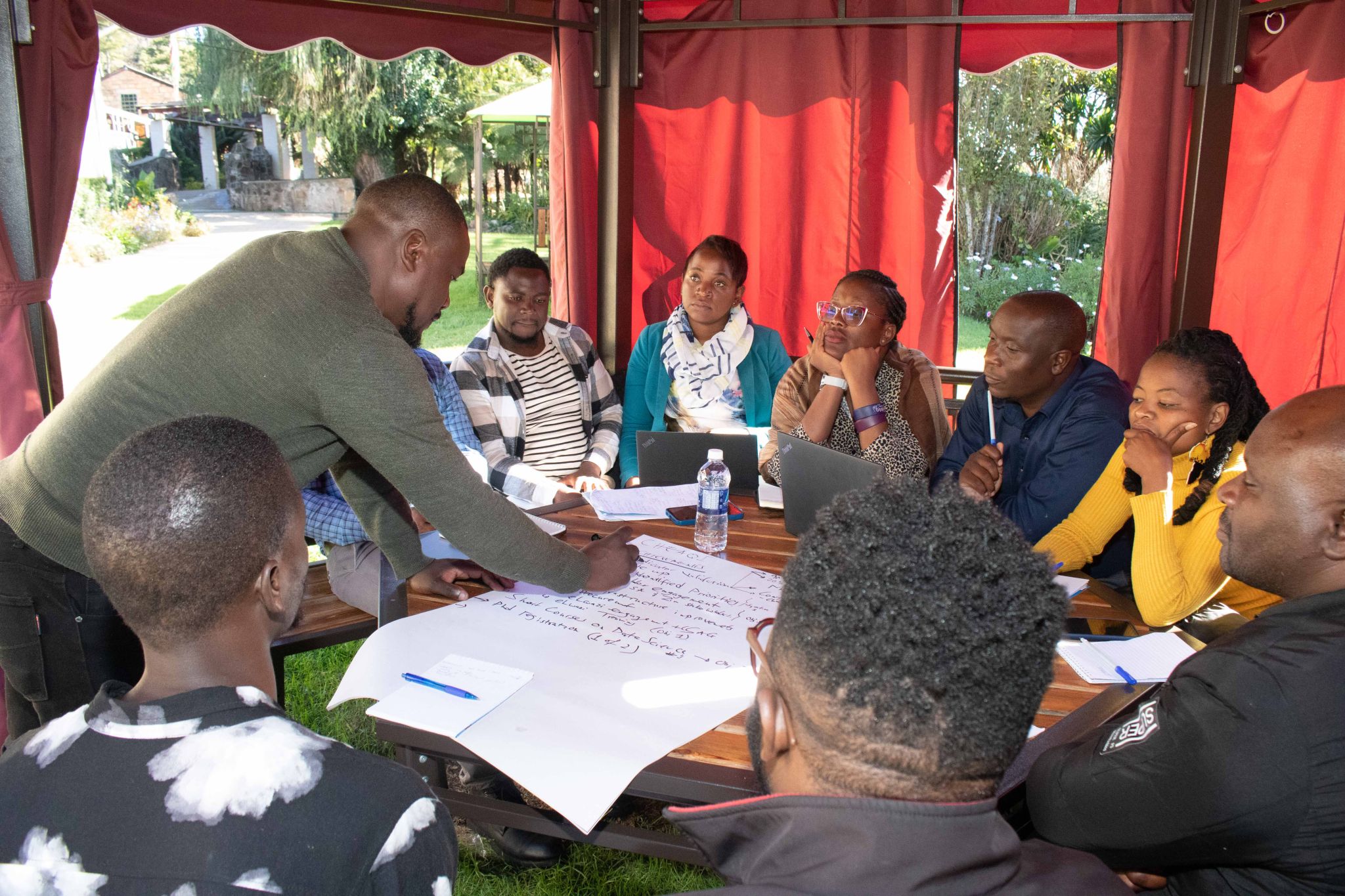
These datasets are now being used in environmental health research across the continent, supporting more targeted analyses of heat and air quality impacts. Just as importantly, the project helped build skills in spatial data science and machine learning, particularly in Zimbabwe, contributing to a growing foundation for African-led research in these fields.
“This experience has deepened my commitment to advancing environmental data innovation in settings where evidence is urgently needed but often unavailable.”
Partnerships Driving Progress
ETIQUET was grounded in strong cross-institutional partnerships that shaped both its scientific quality and practical application. Through collaborations from the PRECISE and DYAD maternal health research networks, the project validated its models using real-world pregnancy cohort data, ensuring that estimates were both technically sound and clinically relevant.
Collaborations with the Environmental Research Group at Imperial College London helped integrate cutting-edge spatial modelling and deep learning approaches. This combination of global expertise and local leadership created an interdisciplinary space that enabled the project to achieve both its technical and public health objectives.
Scaling Impact Across Africa
Currently, in his role as an environmental epidemiologist at CeSHHAR Zimbabwe, the ETIQUET datasets are being used in ongoing research on air pollution and heat-health relationships. These applications demonstrate the long-term value of the project for generating critical data and in building the infrastructure and expertise necessary to respond to environmental health risks.
“ETIQUET turned data deserts into data landscapes – equipping Africa with the tools to see, model, and act on the invisible threats of air pollution and heat.”
The next phase of ETIQUET will focus on expanding exposure models to additional African regions and linking them with behavioural data and health outcomes, particularly in maternal and newborn health research. These efforts aim to inform targeted interventions and support the development of climate-resilient health systems in low-resource settings.