




Impact Stories
Understanding Heat and Health: A Young Doctor's Journey
As one of the newest members to join the HE²AT Center, I’ve been discovering a great deal about extreme heat’s effects on health — and about myself.
The HEat and HEalth African Transdisciplinary (HE²AT) Center develops innovative data science solutions to address the heat and health (heat-health) impacts of extreme weather eventsUnusual weather, such as very heavy rain, strong storms, or extreme heat. across Africa. This collaborative research centre, funded by the US National Institutes of Health (NIH) through the DS-I Africa programme, brings together experts from South Africa, Côte d’Ivoire (Ivory Coast), Zimbabwe, and the USA.
HE²AT focuses on strengthening capacity and developing data science tools that contribute to urban heat resilience strategiesActions that help cities prepare for, respond to, and adapt to extreme heat., helping cities and vulnerable populationsGroups of people who may be more affected by health risks, extreme weather, or other challenges because they need extra support. prepare for the health risks associated with rising temperatures and extreme heat events.
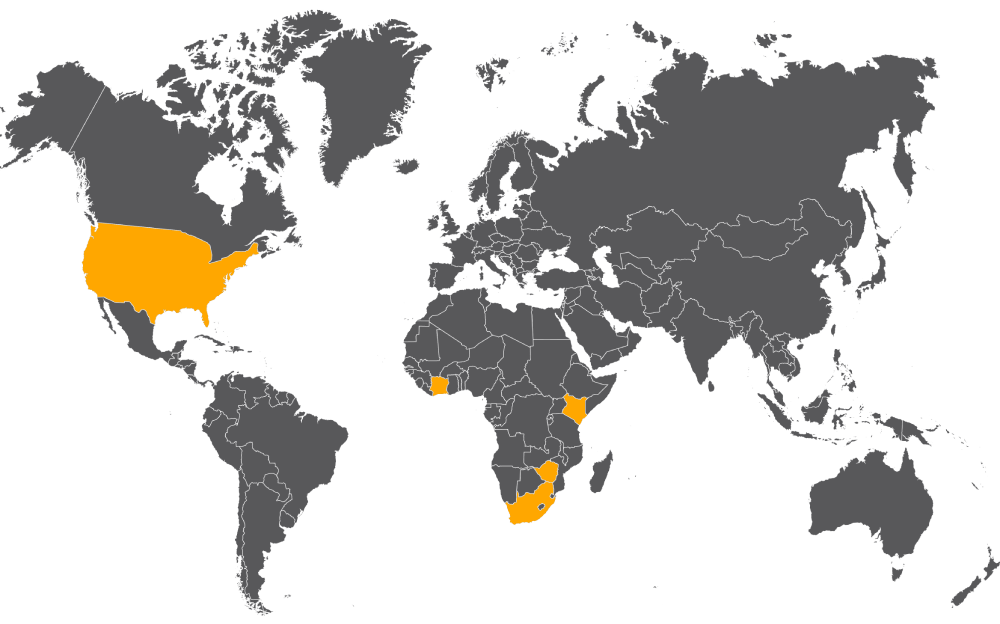
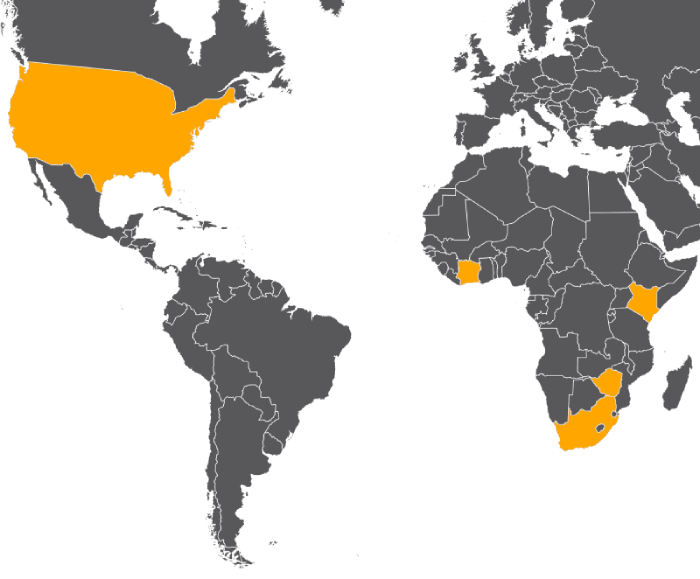
An NIH Health and Extreme Weather Webinar highlighted findings from the HE²AT Center project, including AI-based approaches to linking health and weather data, insights into heat-related health impacts across Africa, and opportunities to strengthen heat resilience and public health response.
See how HE²AT is already making a difference across Africa by transforming data into action.
As one of the newest members to join the HE²AT Center, I’ve been discovering a great deal about extreme heat’s effects on health — and about myself.
Field notes, explainers and updates from the HE²AT Center research team.
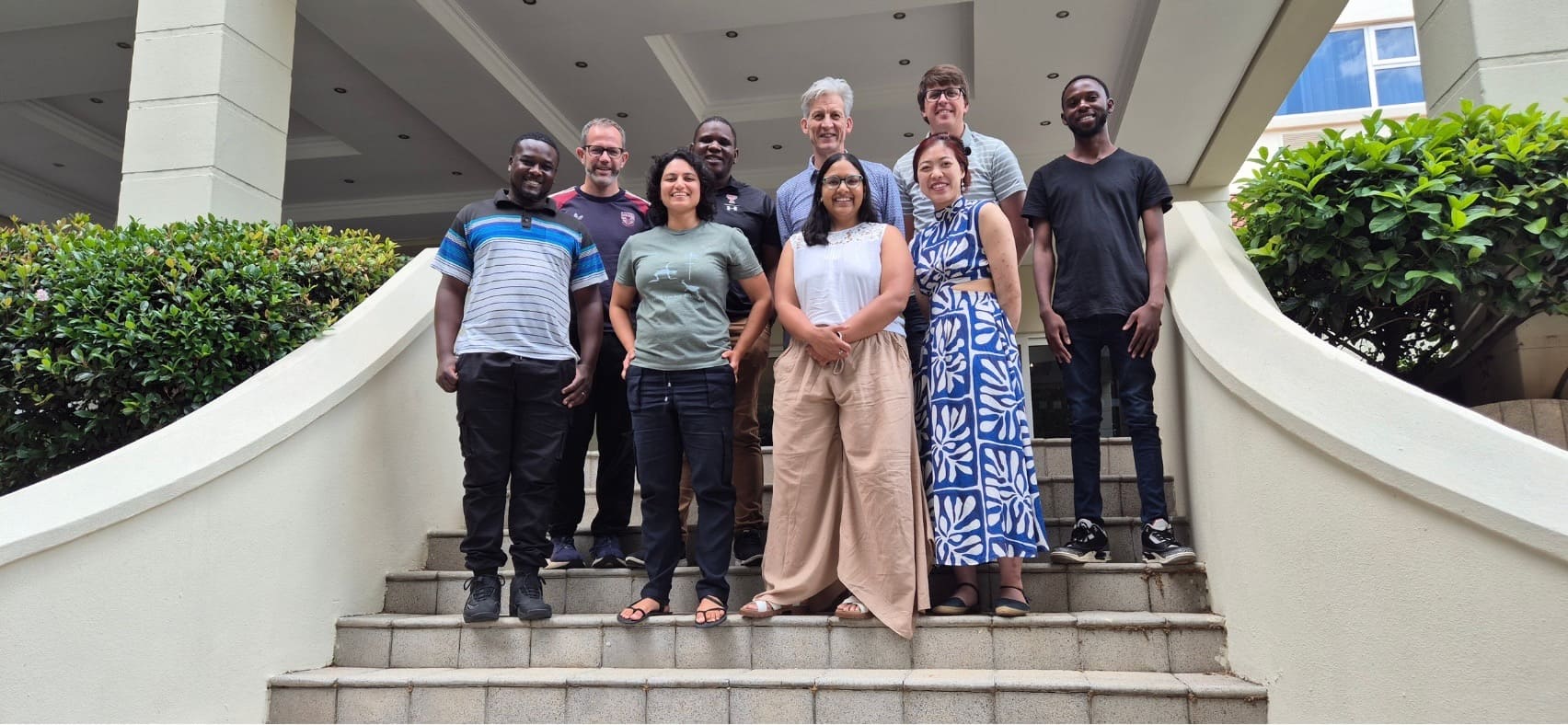
Behind every dataset and published paper were real people — researchers in the field and everyday moments that rarely make it into a journal article.
Peer-reviewed papers, reports and datasets from across the centre's research sites.
A roundup of the HE²AT Center’s latest published research, including studies on PM2.5 exposure, urban heat risk, and CHEAQI-MNCH.
Short films and recorded talks from the field and from HE²AT events.
Updates on how contributed datasets are acquired, harmonised, securely managed, and translated into climate-health research.
Extreme weather events are among the most pressing health threats of the 21st century. Periods of extreme heat are becoming more frequent, intense, and prolonged, leading to significant — though often underappreciated — health impacts, particularly in low-income settingsCommunities or environments where financial resources and access to essential services may be limited.. Vulnerable populations and other at-risk groupsPeople who are more likely to be affected by a health risk, extreme weather, or another challenge. are facing increasing risk, making the need for data-driven solutions more critical than ever.
The steady rise in global temperatures, driven by human activities, has already resulted in serious health outcomes, including increased mortality from heat exposure, cardiovascular issues, adverse pregnancy outcomes, and spikes in infectious diseases such as malaria and dengue. Without significant interventions, the burden on health systems in Africa will continue to grow, underscoring the urgent need for innovative, data-driven approaches to monitor, predict, and address these impacts.
The HE²AT Center works to address these heat-health challenges through three primary goals:
Act as a central resource for disseminating research, fostering collaboration, and engaging policymakers to shape strategies that enhance African heat-health resilience.
Develop structures to support a comprehensive platform integrating data streams to drive analyses that support an African heat-health research ecosystem.
Generate knowledge to inform responses to critical heat-health issues and enhance the capacity of early-career researchers and organisations across East and West Africa.
Our work wouldn’t be possible without the collaborative efforts of our partners.








Research was supported by the Fogarty International Center, National Institute of Environmental Health Sciences (NIEHS), and OD/Office of Strategic Coordination (OSC) of the National Institutes of Health under Award Number U54TW012083. Additional support was provided by the HarmonAIze supplement (3U54TW012083-04S1) and the CHEAQI-MNCH project (U01ES036146). The content is solely the responsibility of the authors and does not necessarily represent the official views of the National Institutes of Health.