This systematic mapping review examines longitudinal maternal health studies conducted in sub-Saharan Africa between 2012 and 2022, highlighting where evidence is concentrated and where important gaps remain.
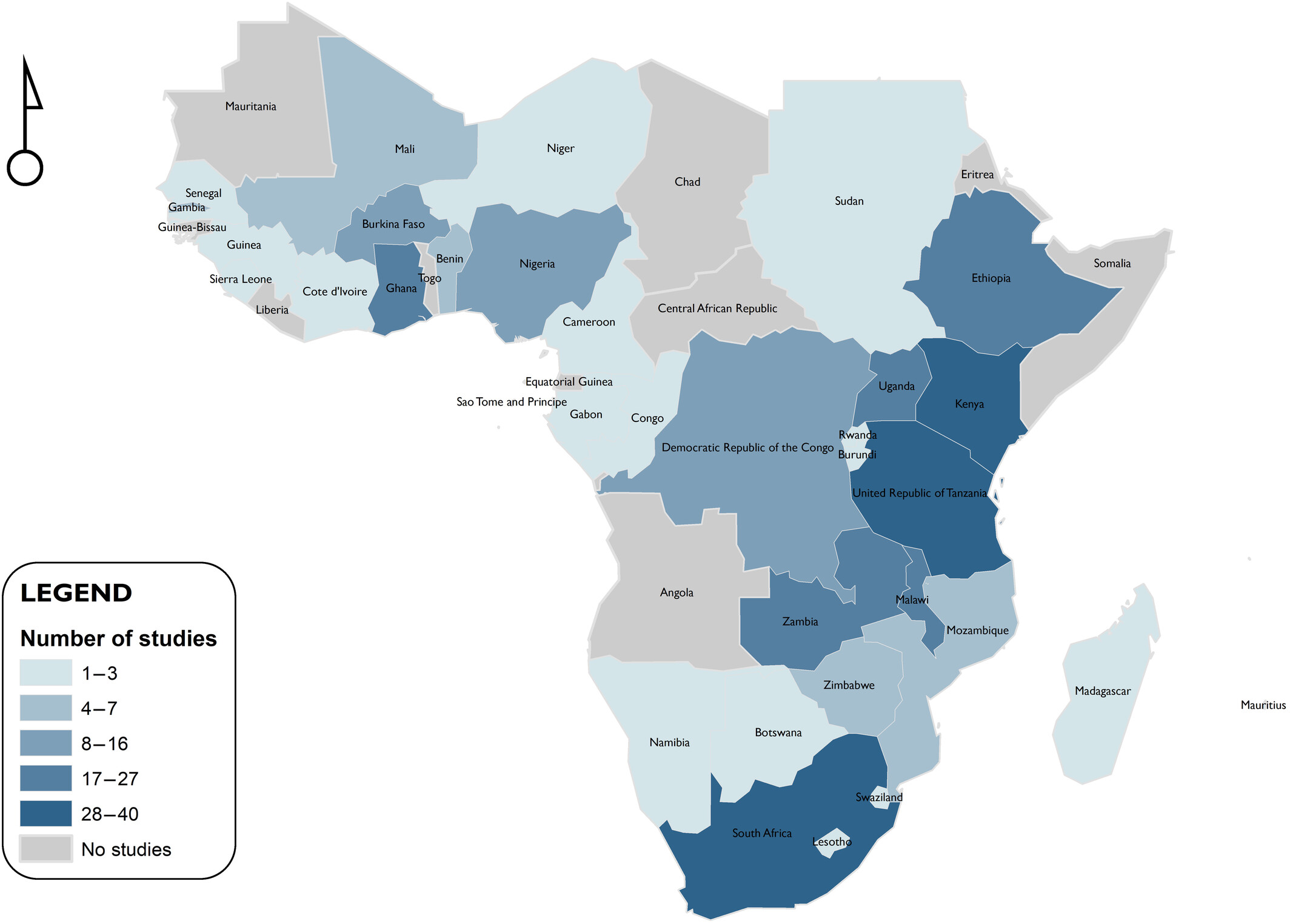
This systematic mapping review examined longitudinal maternal health studies in sub-Saharan Africa from 2012–2022. The analysis identified 213 eligible studies across 534 publications from 33 countries.
Most studies were conducted in eastern and southern Africa, with South Africa and Kenya contributing the most publications.
Research concentrated on HIV, nutrition, and malaria, while conditions like hypertensive disorders and hemorrhage received limited attention despite their significance as major causes of maternal mortality.
The review emphasises that the findings highlight the need for more robust longitudinal research on understudied maternal health conditions and for stronger research capacity across countries that remain underrepresented. For HE²AT, this mapping provides crucial context for identifying existing longitudinal datasets and connecting maternal-child health data with climate and environmental factors.
Read the full paper →