This study reviews the socioeconomic benefits of heat-health warning systems and their role in reducing heat-related health outcomes, while highlighting major evidence gaps for Africa.
This investigation examines the socioeconomic advantages of heat-health warning systems and their effectiveness in reducing heat-related health impacts. The research team conducted a scoping review paired with stakeholder interviews to evaluate system effectiveness, expenses, and deployment obstacles.
Key findings indicate these systems represent a cost-effective adaptation option, particularly for reducing mortality, morbidity and health service use among vulnerable groups such as older adults. However, significant barriers exist regarding funding, communication protocols, data accessibility, collaboration across disciplines, and measuring real-world effects.
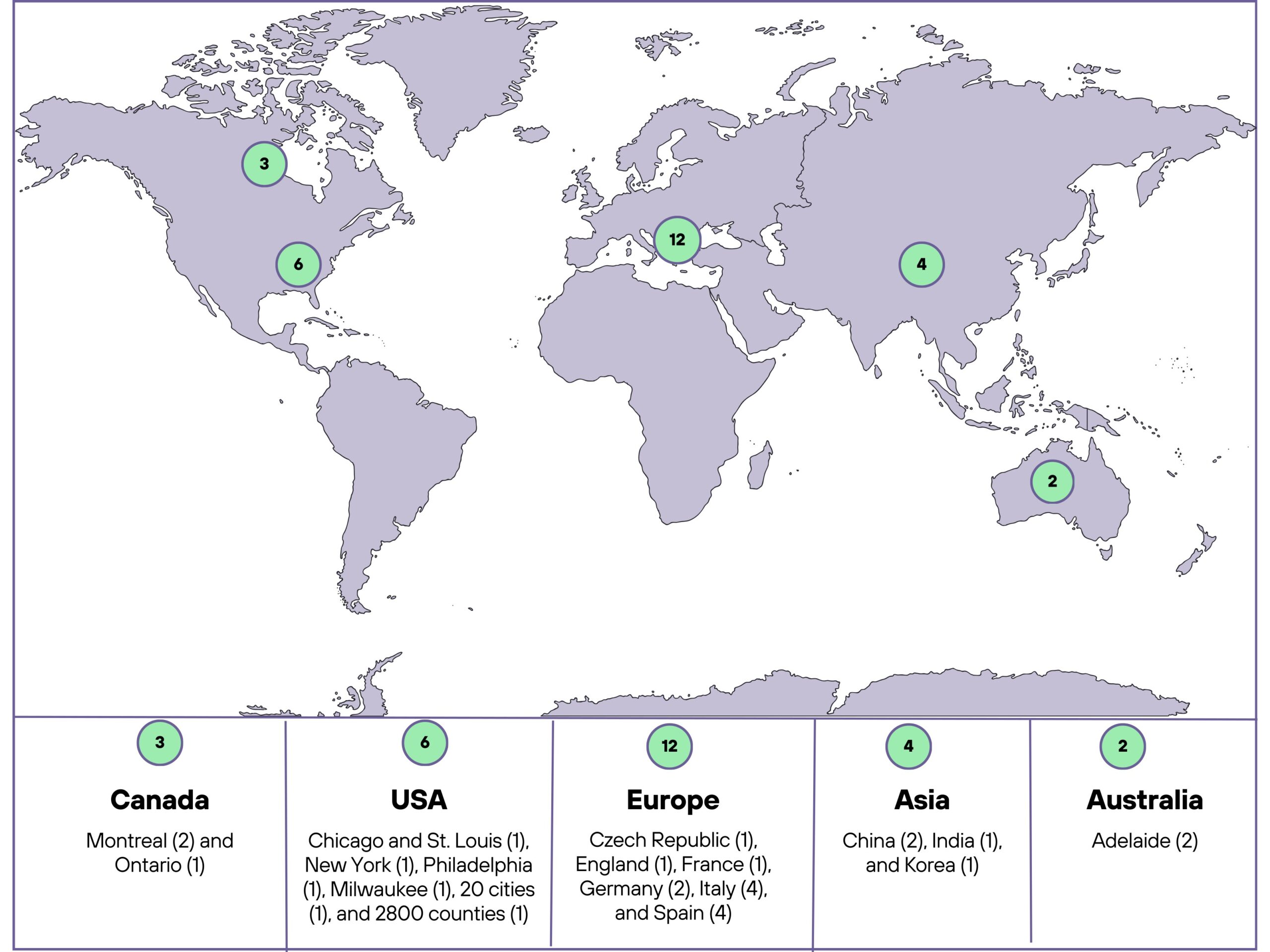
None of the 27 studies included in the scoping review were conducted in an African setting, with minimal African stakeholder participation.
This absence highlights urgent requirements for expanded regional research, enhanced data access, strengthened capacity development, and greater African involvement in system design and assessment.
Read the full paper →