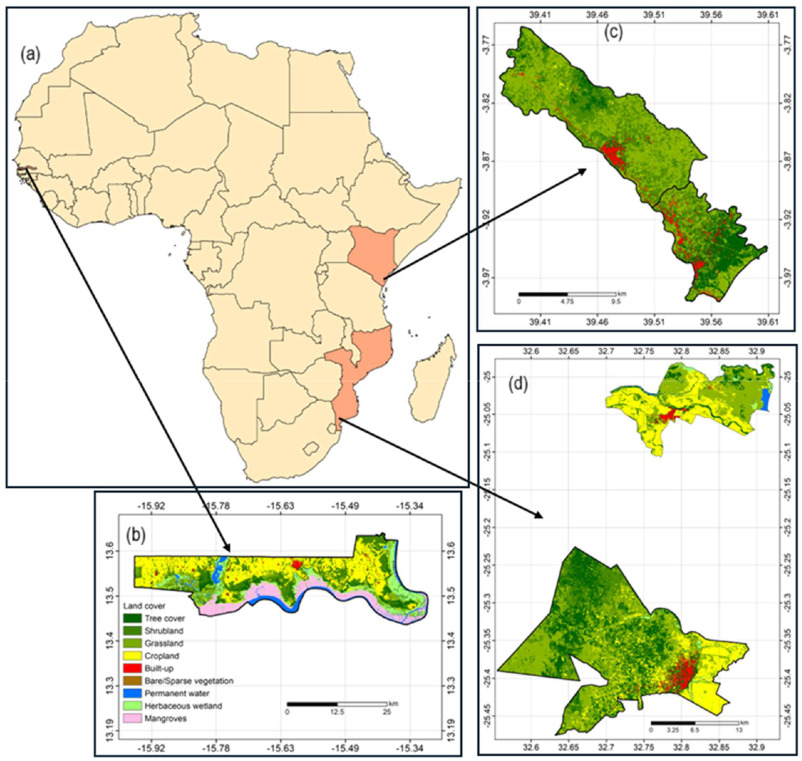
This study examined daily outdoor PM2.5 exposure in The Gambia, Kenya and Mozambique, finding that most land cover types exceeded World Health Organization air quality guideline thresholds.
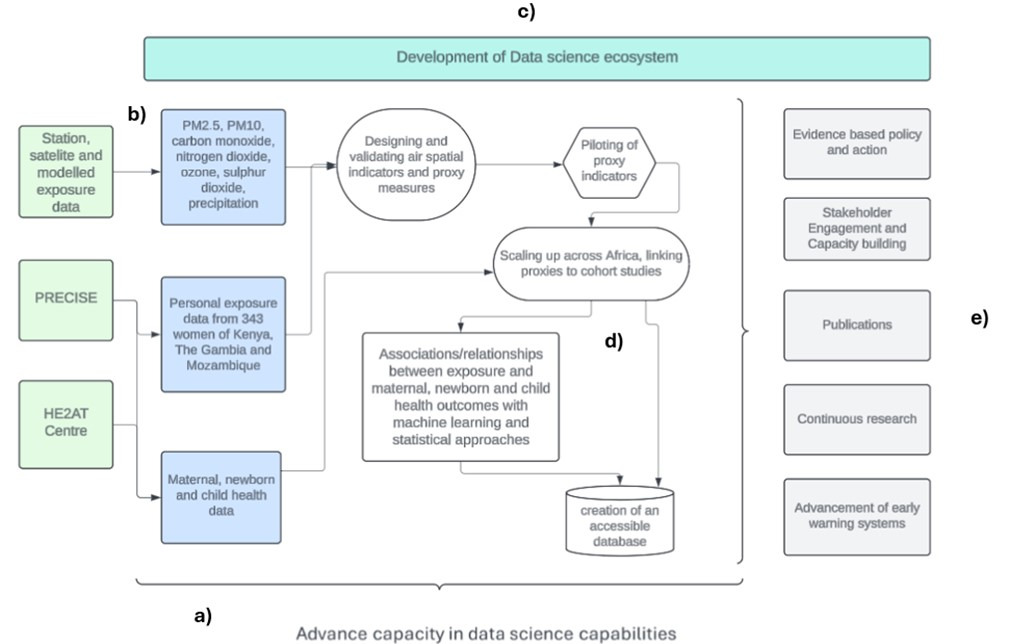
This study examined daily outdoor PM2.5 exposure in The Gambia, Kenya and Mozambique using monitoring data collected during 2022–2023. The research mapped personal exposure information across various land-use classifications to understand regional air pollution patterns. Results indicated that pollution levels were most elevated in The Gambia, with most habitat types surpassing WHO air quality guidelines. Concentrations fluctuated considerably depending on land cover type, shaped by traffic, industrial activity, biomass burning, wetland emissions, and domestic energy consumption.
Road-edge effects on PM2.5 were highly site-specific. In some settings, pollution levels decreased with distance from roads, while in others road proximity alone did not explain exposure patterns.
The researchers concluded that expanded monitoring networks and location-specific pollution reduction initiatives are essential for sub-Saharan African contexts.
Read the full paper →