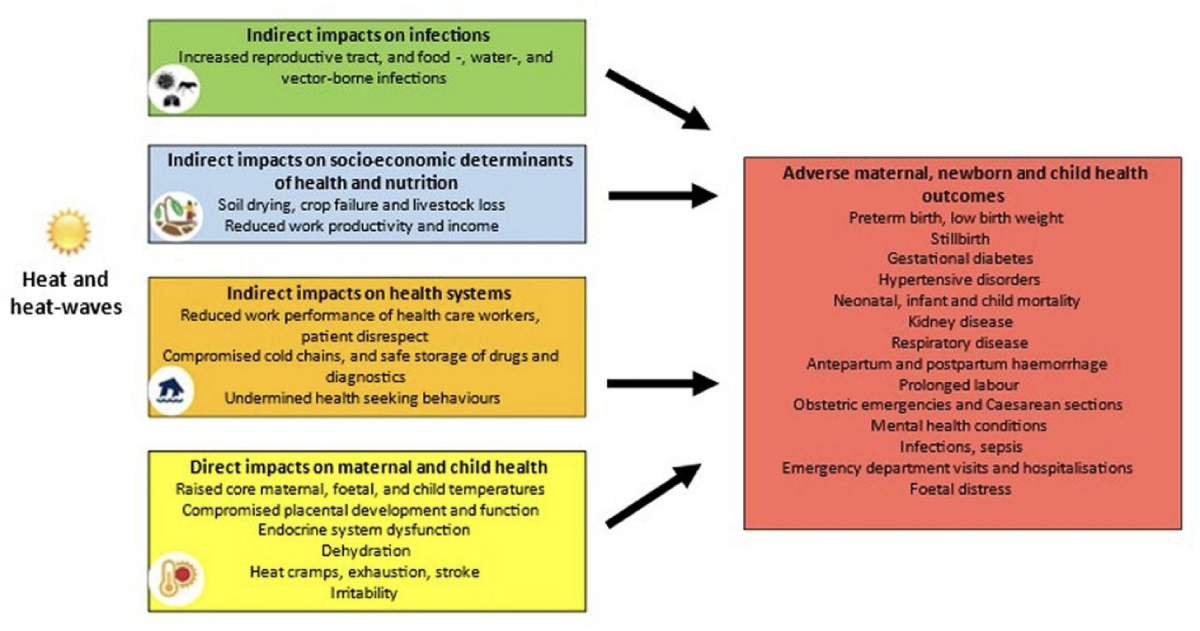
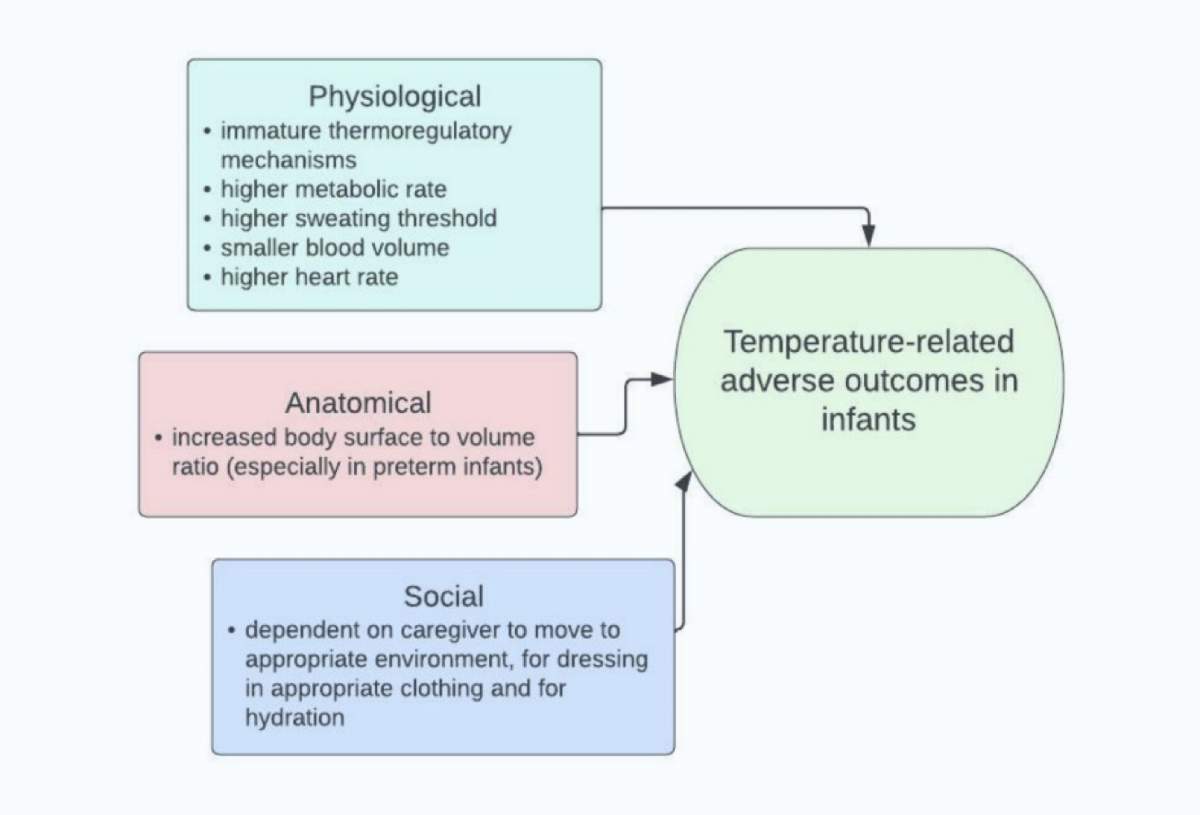
Infants are especially vulnerable to extreme temperatures due to physiological, anatomical, and social factors. This systematic review explored the association between short-term exposure to high and low ambient temperatures and adverse infant outcomes.
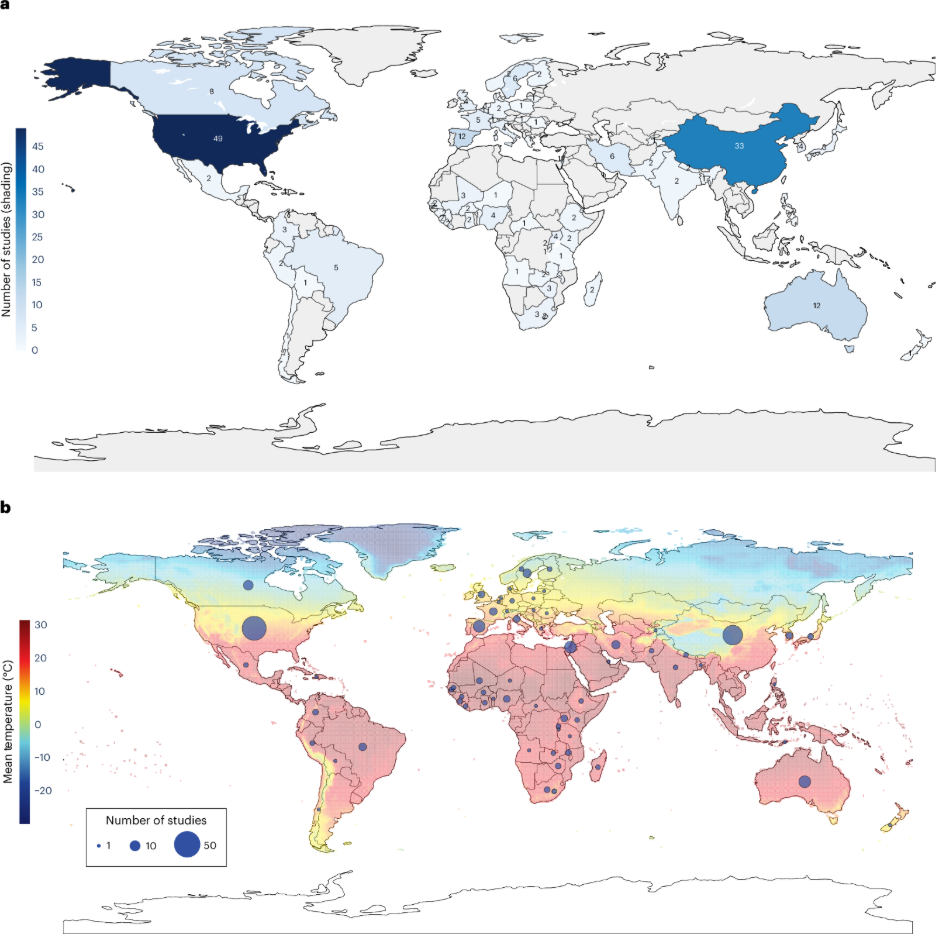
Infants face heightened vulnerability to temperature extremes due to physiological, anatomical, and social vulnerabilities. This systematic review investigated correlations between short-term exposure to high and low ambient temperatures and negative infant health outcomes. The analysis encompassed 26 journal articles examining infant mortality, sudden infant death syndrome (SIDS), hospital admissions, infectious diseases, and neonatal conditions including jaundice.
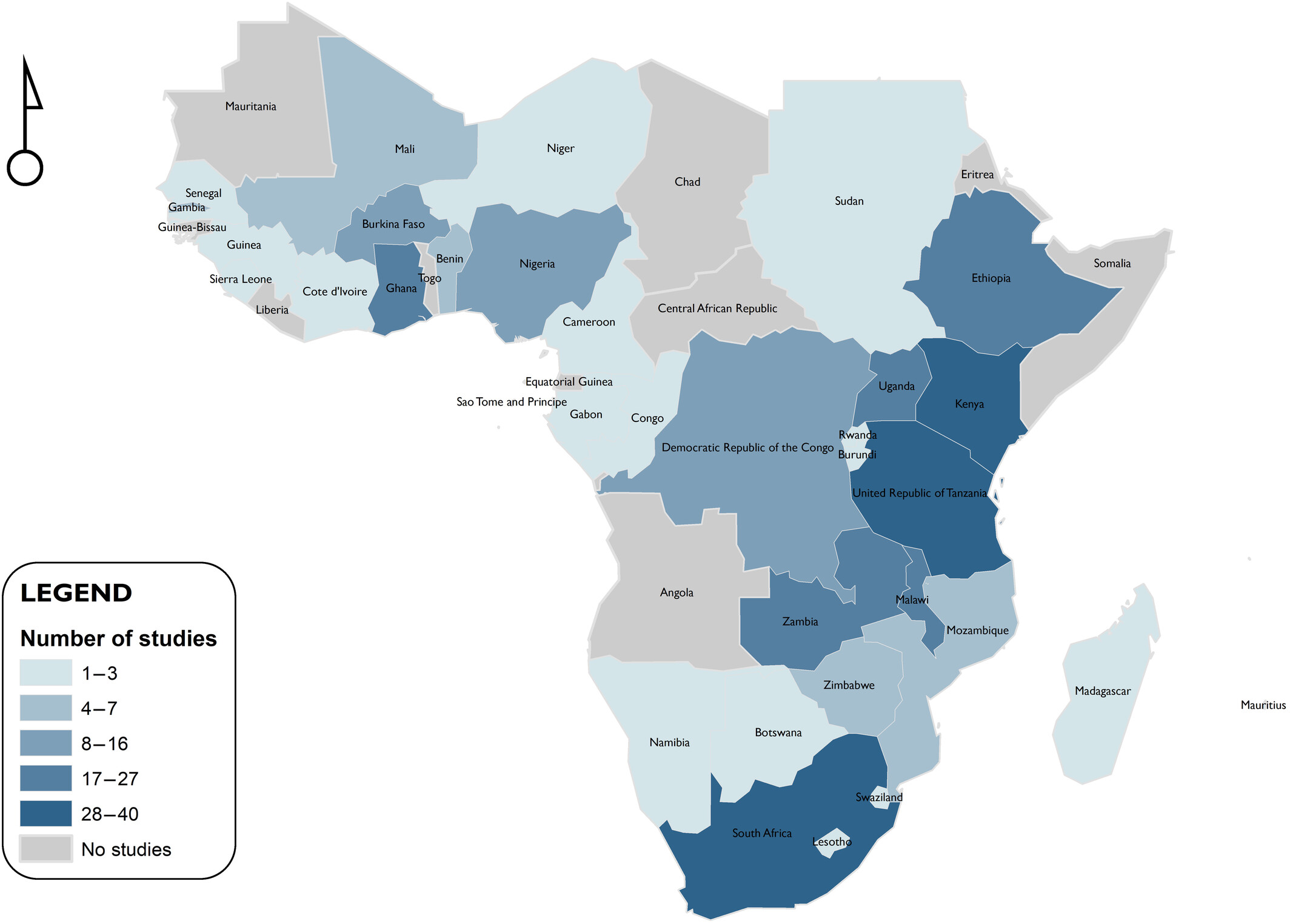
Results indicated that elevated temperatures corresponded with increased infant mortality, hospital admissions, and hand-foot-mouth disease incidence, whereas cold temperatures linked to respiratory illness and mortality. SIDS evidence proved mixed, and only five studies addressed low- and middle-income countries.
Findings underscore the importance of implementing public health interventions to address temperature extremes' effects on vulnerable infant populations.
Read the full paper →