Extreme heatA period of very hot weather that can be dangerous to health and wellbeing. is a growing health risk, especially for pregnant women, fetuses and newborns. This systematic review and meta-analysis, published in Nature Medicine, brings together global evidence on the impact of heat exposure during pregnancy and around birth.
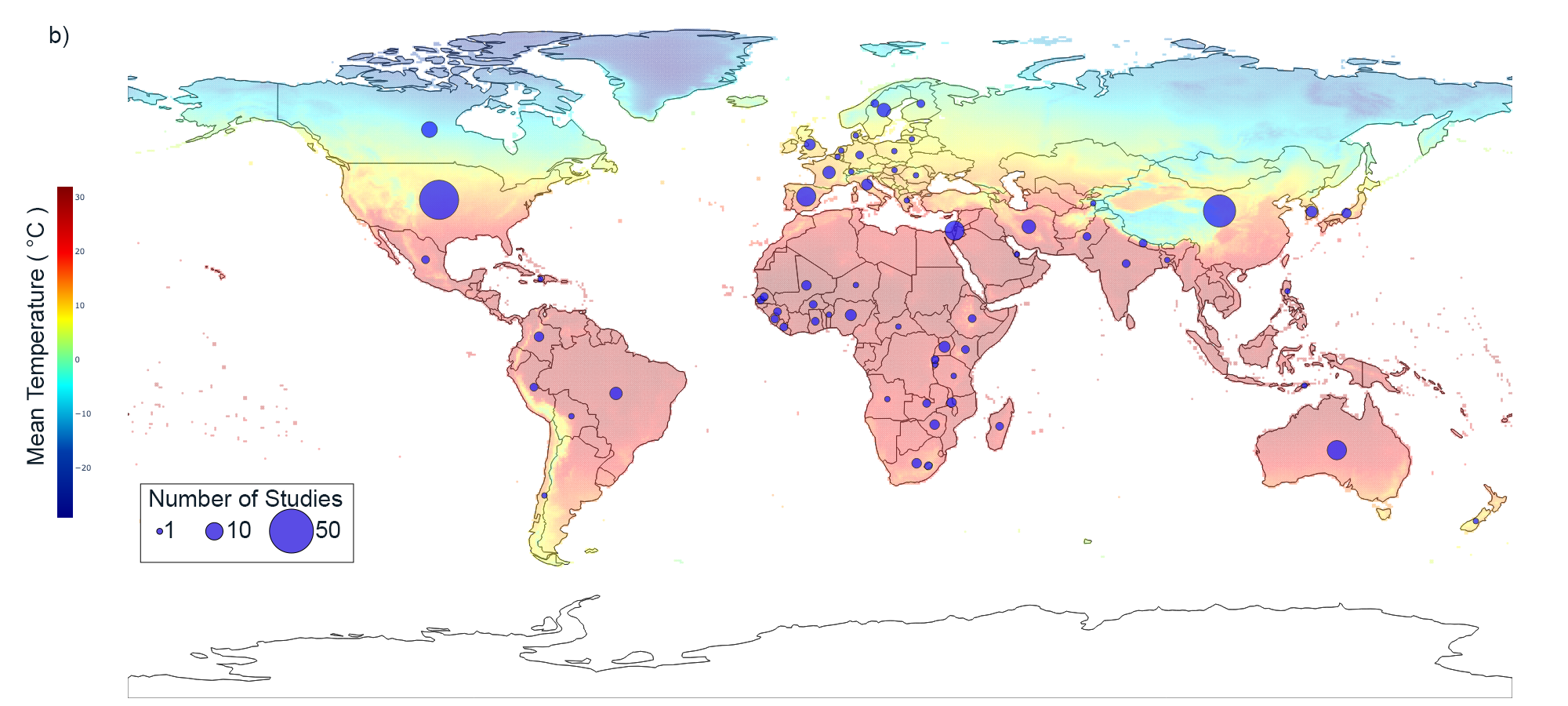
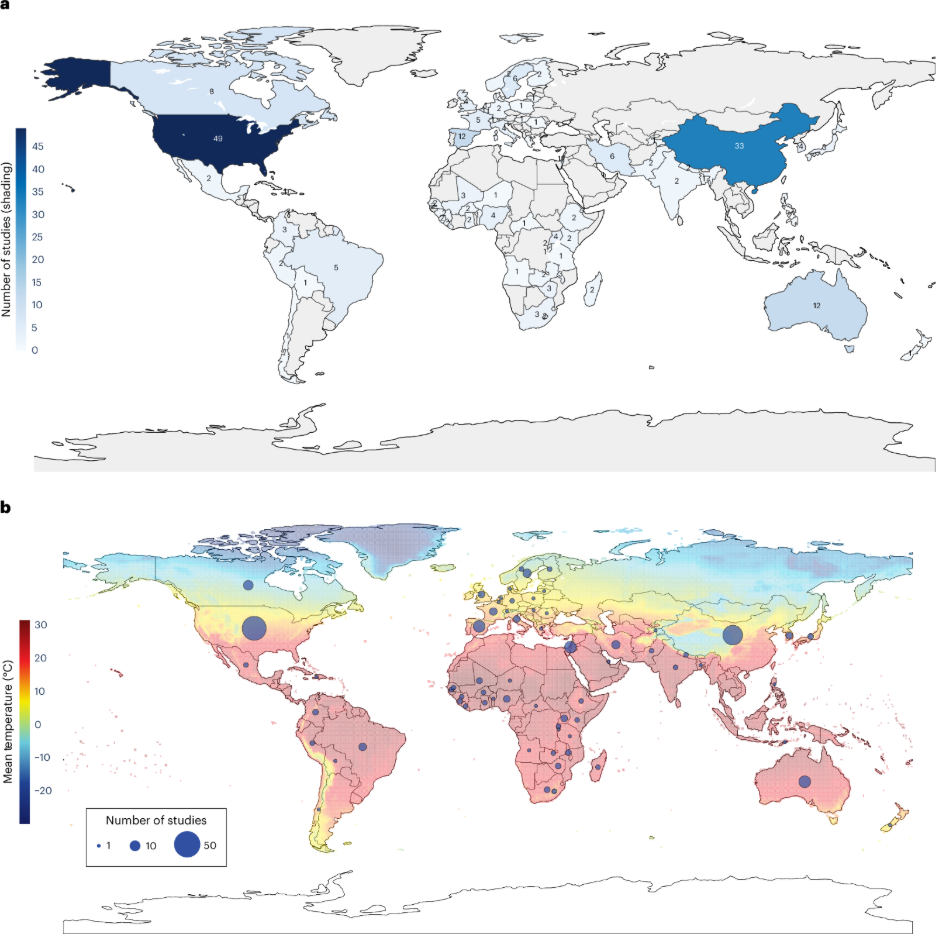
This systematic review and meta-analysis examined global evidence on heat exposure's impact during pregnancy and around birth. Researchers analysed 198 studies from 66 countries covering 23 maternal, fetal, and neonatal health outcomes.
Key Findings
The strongest evidence concerned preterm birth: the odds of preterm birth increased by 4% per 1°C increase in heat exposure and by 26% during heat waves. Additional risks included stillbirth, congenital anomalies, gestational diabetes, and obstetric complications.
Recommendations
The review emphasises incorporating maternal and newborn health into climate-health planning through early warning systems, cooling and hydration initiatives, enhanced facility preparedness, and strengthened surveillance of heat-related health risks.
This work was made possible through support from the HE²AT Center, HIGH Horizons and the Bio-HEAT study, with funding from The National Institutes of Health, the DS-I Africa initiative, the European Commission, UK Research and Innovation, and the Wellcome Trust.
Read the full paper →